‘Beach Inna Bondage’ takes on coastal access debate
Legal
Politics
Business
July 16, 2026
Share this article

Click to view full size
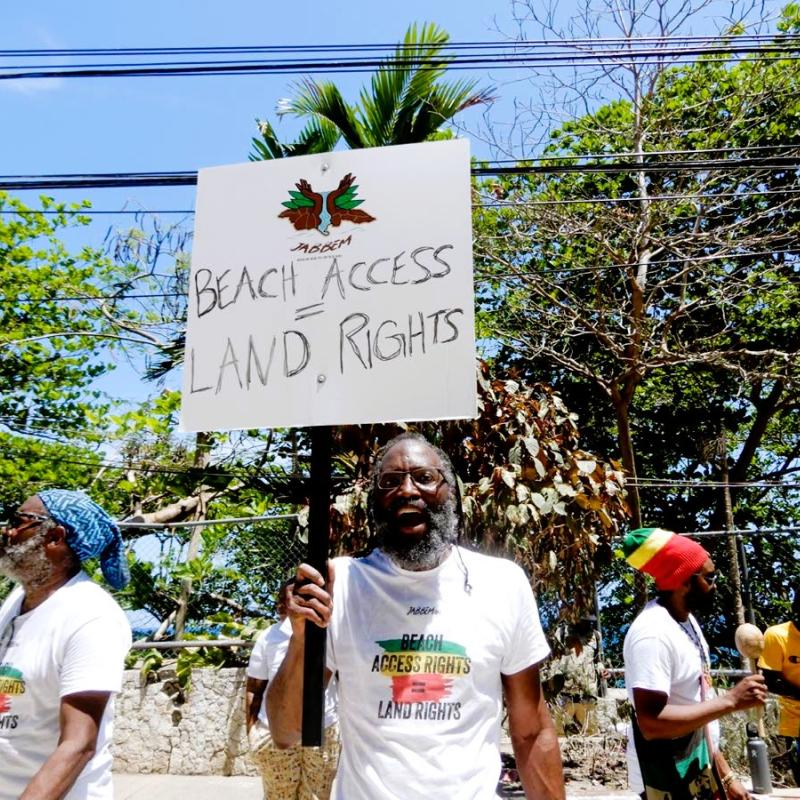
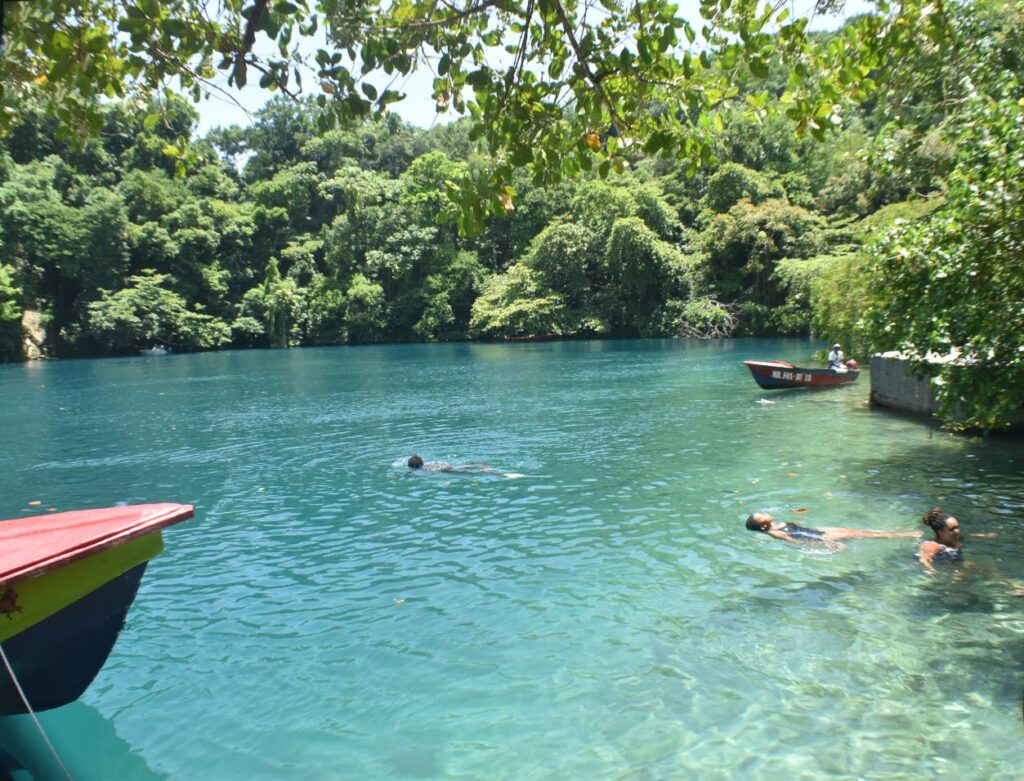
A new documentary exploring the growing debate over public access to Jamaica’s beaches premiered at the recent Portie Film Festival in Portland, highlighting concerns about the increasing privatisation of the island’s coastline.Beach Inna Bondage, the work of Kingston-based Dutch filmmakers Emiel Martens and Elsie Vermeer, was among the films screened at the festival which was sponsored by Caribbean Creativity and Great Huts Resort Paradise on the Edge in Boston Bay.“The immediate inspiration for Beach Inna Bondage came while we were having conversations with Jamaicans for another project, Film Location Jamaica. During those conversations, the issue of beach access repeatedly surfaced, particularly in an interview with Colin ‘Ringo’ Beckford at the Blue Lagoon,” the filmmakers told The Gleaner.Beckford is a veteran boat captain and vendor at the Blue Lagoon, which has been at the centre of disputes and public debate over access rights and the management of surrounding lands.“It became clear that this was an urgent story that needed to be told. The deeper inspiration stems from our experience of visiting Jamaica’s coastline for more than 20 years, especially the island’s north coast. With each visit, we witnessed more walls, fences, and major all-inclusive resorts, very much out of proportion and out of place, obstructing not only access to the beaches but even the view of the coastline itself,” the duo said.DECADES-OLD FIGHTMartens and Vermeer see the documentary as a continuation of a conversation begun more than a decade ago.“Back in 2009, Jamaican activist filmmaker Esther Figueroa addressed this issue in her documentary Jamaica for Sale, which exposed the rapid expansion of hotel developments and their profound economic, social, and environmental consequences. With Beach Inna Bondage, we wanted to examine how the situation has evolved since then, documenting both the continued commercial exploitation of Jamaica’s coastline and the growing resistance of communities and activists who are fighting for public access to the island’s beaches.”The title itself is intended to carry both a literal and symbolic meaning.“The title operates on several levels. At its most immediate level, it refers to the restricted, controlled, and managed access to Jamaica’s beaches. By far, most of Jamaica’s beaches have become enclosed by hotels, restaurants, fences, gates, and private security. In this sense, the beaches themselves are in bondage: physically constrained and no longer accessible to the Jamaican people,” the producers said.“The title also evokes the colonial history that underlies these contemporary struggles. The word bondage recalls plantation slavery, suggesting that the privatisation, commercialisation, and ‘touristification’ of the island’s coastline is part of a longer history of colonial extraction and capitalism. The film argues that today’s patterns of land ownership, tourism development, and beach exclusion are rooted in colonial systems of power and continue to reproduce inequalities, injustices, and discriminatory practices.”The film’s name was inspired by Colonial Bondage, a song by reggae artiste Keznamdi, who collaborated with the filmmakers to provide the soundtrack.“Finally, the title carries a hopeful implication: if the beaches are in bondage, they can also be liberated … . Thus, Beach Inna Bondage is both a diagnosis of a historical injustice and an urgent call to action,” Martens and Vermeer said.BEACH CONTROLAt the centre of the debate is the Beach Control Act of 1956, which governs the use of Jamaica’s foreshore. The legislation vests ownership of the foreshore in the Jamaican government and gives the state authority over how beaches and coastlines are used.“This legal framework lies at the heart of the ongoing struggle over beach access documented in Beach Inna Bondage,” the producers explained.The film took roughly 10 months to complete after production began in September 2025, and was finished only days before its world premiere at the Portie Film Festival on July 9. Prior to that, several community screenings were held, particularly in Kingston, from May onwards. Feedback from those audiences, along with developments related to the issue, informed subsequent edits.The filmmakers describe the documentary as a “living project”, adding that they are still expanding Beach Inna Bondage.“We are currently developing beachinnabondage.org, where viewers will be able to access the extended interviews and additional background materials. We are also launching an impact campaign to support the film’s advocacy goals, and are producing a companion documentary, provisionally titled Beach Inna Bondage: Harbour Style, which explores similar issues of beach access and environmental justice in and around Kingston Harbour.”Ultimately, the film seeks to raise awareness about beach access, land ownership, and what its makers regard as unsustainable tourism development. More broadly, it is a call to protect Jamaica’s coastline and preserve public access to it.“The Jamaica Beach Birthright Environmental Movement, with whom we collaborated to make the film, advocates not only for unfettered public access to all Jamaican beaches, but also for recognising Jamaica’s beaches as legal entities with environmental rights,” Martens and Vermeer said.For the filmmakers, the message is straightforward.“It is probably best captured by the closing statement of the film: ‘Join the movement for justice and take action to reclaim the coastline for all Jamaicans. Join the fight.’ And, on jabbem.org, you can find how you can join the movement and the ways in which you can contribute to the fight.”editorial@gleanerjm.com
Legal
Politics
Business
Need the bigger picture?
Share this article
Comments (0)
Download our mobile app
The portable companion to gazettE. Get notifications, track read articles, and more. The latest news from Trinidad and Tobago, in one place.