What remains of the Iran deal as fighting rages
Politics
Finance
July 18, 2026
Share this article

Click to view full size
The Associated Press:The conflict between Iran and the United States has intensified in recent days and an interim deal to end the fighting has collapsed less than a month after it was signed.The memorandum of understanding (MOU) was supposed to halt all military operations and reopen the Strait of Hormuz, a crucial waterway for global oil and gas. It also set the stage for further negotiations intended to lead to a permanent peace deal and an agreement on Iran’s nuclear program within 60 days.Here’s a look at some of the main clauses of the agreement and the situation on the ground.
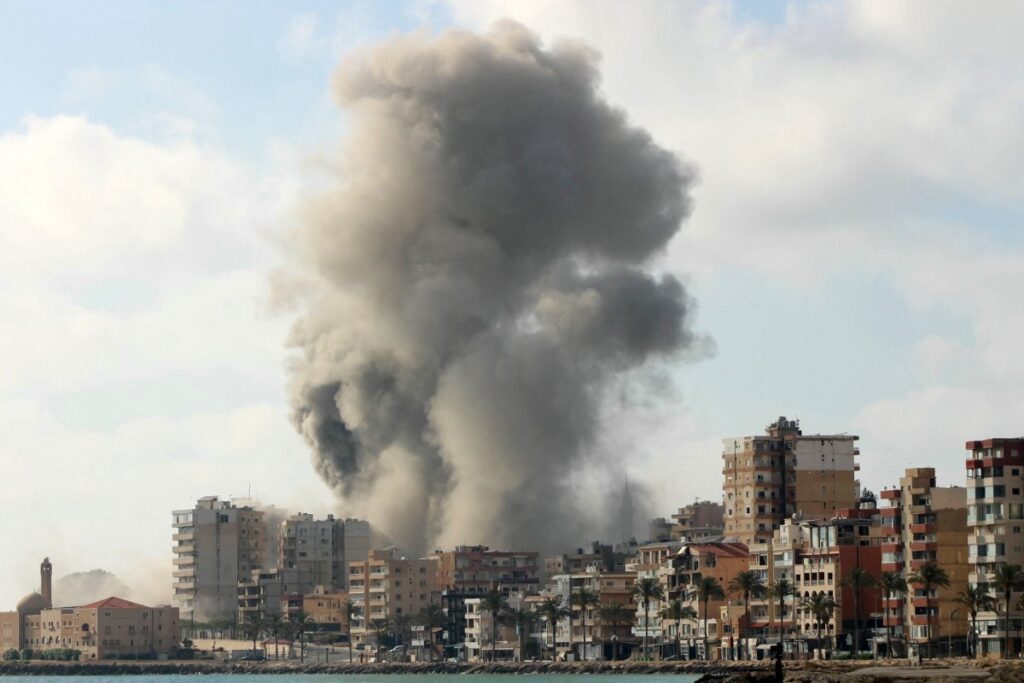
The fighting has resumedTHE DEAL: The United States of America (US) and the Islamic Republic of Iran and their allies in the current war by signing this MOU declare the immediate and permanent termination of military operations on all fronts, including in Lebanon, and undertake from now on not to initiate any war or any military operation against each other and to refrain from the threat or use of force against each other and ensuring the territorial integrity and sovereignty of Lebanon.THE CURRENT SITUATION: The US has launched days of airstrikes on Iran in response to its attacks on commercial ships in the Strait of Hormuz. Iran has fired back at Arab countries hosting American troops. A ceasefire between Israel and Lebanon’s Iran-backed Hezbollah reached shortly after the Iran agreement has largely held despite renewed hostilities elsewhere in the region.
The Strait of Hormuz is largely closedTHE DEAL: Upon the signing of this MOU, the Islamic Republic of Iran will make arrangements using its best efforts for the safe passage of commercial vessels with no charge for 60 days only from the Persian Gulf to the Sea of Oman and vice versa. The traffic of commercial vessels will immediately start and, considering the needs for removing the technical and military obstacles and demining by the Islamic Republic of Iran, will be instated within 30 days. The Islamic Republic of Iran will conduct dialogue with the Sultanate of Oman to define the future administration and maritime services in the Strait of Hormuz in discussion with other Persian Gulf littoral states in line with the applicable international law and the sovereign rights of coastal states of the Strait of Hormuz.THE CURRENT SITUATION: This clause seems to have been the undoing of the deal. Iran says it gives it the right to manage traffic through the strait and potentially charge tolls after 60 days. The US and others dispute that, saying the strait should be open to all without fees, as it was before the war. The US has set up an alternative route along Oman’s coast and outside of Iran’s control. Iran’s attacks on ships using that route triggered the renewed hostilities. Traffic through the strait rose after the deal was signed but remained far short of prewar levels and has plummeted in recent days as fighting has escalated.
Politics
Finance
Need the bigger picture?
Share this article
Comments (0)
Download our mobile app
The portable companion to gazettE. Get notifications, track read articles, and more. The latest news from Trinidad and Tobago, in one place.