Electrifying Evolution: The Porsche Cayenne EV
Share this article
Click to view full size
My first time reviewing a Porsche Cayenne was back in 2018, and the engineering felt superb, utilising an electric steering setup that went precisely where you pointed it. Since its initial development and launch that shook the luxury SUV segment decades ago, the Cayenne has evolved through successive generations to remain a cornerstone of performance engineering. Currently inhabiting its latest fully electric generation as a versatile 5-door SUV, the model demonstrates how the marque adapts to shifting global landscapes. While the brand initially targeted an 80 per cent electric line-up by 2030, lofty ambitions have naturally adjusted to align with broader consumer pacing. Nonetheless, this strategic shift has not hindered engineering innovation or the consistent delivery of high-calibre vehicles. Although competing marques can boast comparable headline horsepower figures, very few can package that output in the precise, composed manner that Porsche achieves, cultivating supreme driver confidence and controlled power in the most impressive fashion.
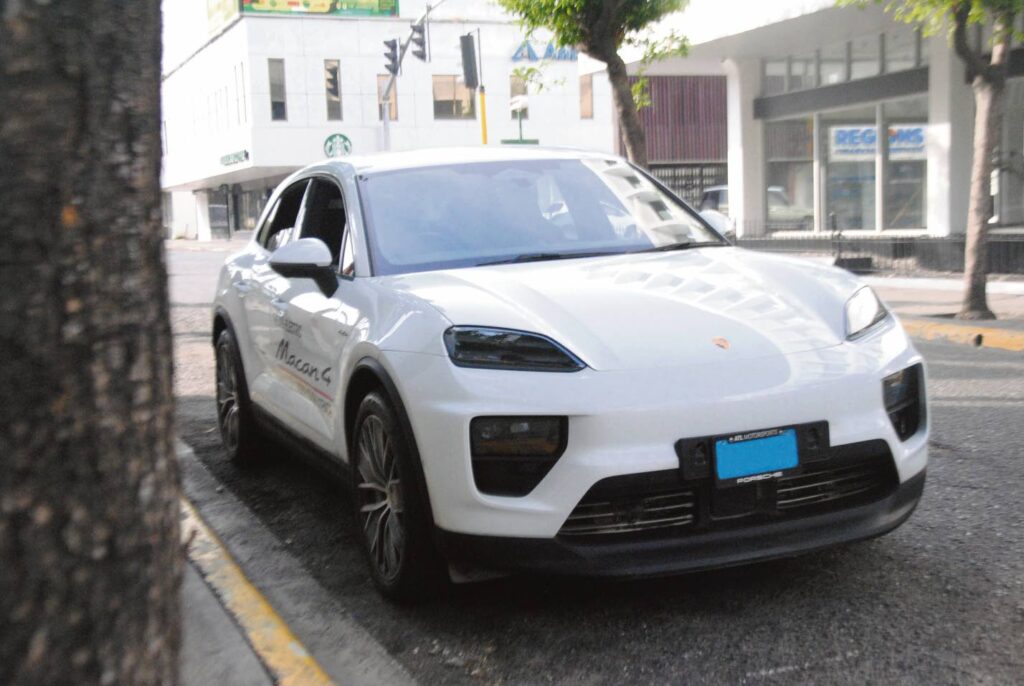
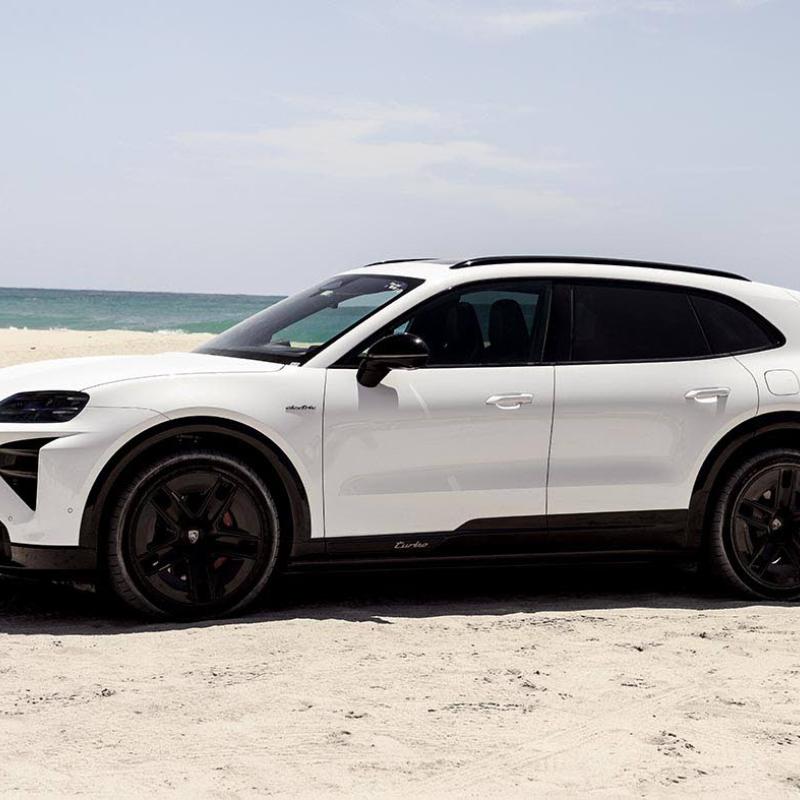
Examining the exterior design language reveals a clear evolution from its internal combustion engine predecessor, tailored specifically for aerodynamic optimisation. The front fascia adopts a smooth, closed-face geometry designed to channel airflow cleanly around the chassis, flanked by striking, multi-element LED headlamps that give the vehicle an unmistakable presence on the road. Along the profile, sharp character lines sweep across the body panels, reducing drag while accentuating the athletic stance of the 5-door SUV. At the rear, a continuous light strip bridges sculpted LED tail lamps, anchoring the visual width of the vehicle. Distinctive active aerodynamic elements further distinguish the electric variant from legacy models, ensuring that high-speed stability is maintained without compromising clean styling lines. The exterior proportions establish a commanding road presence, balancing robust utility vehicle proportions with the sleek aerodynamic profile expected of a high-performance machine.
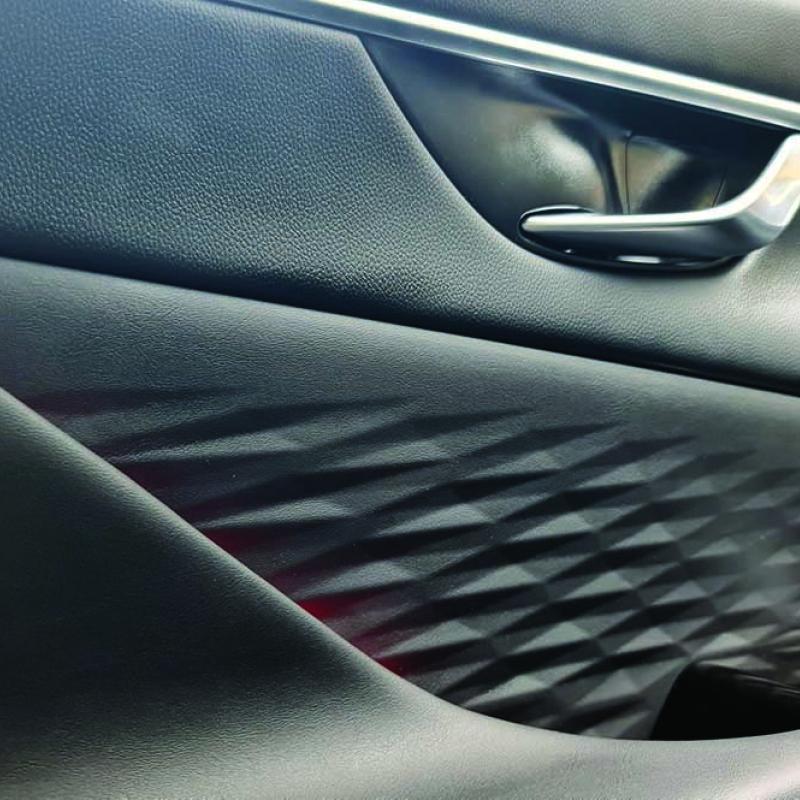
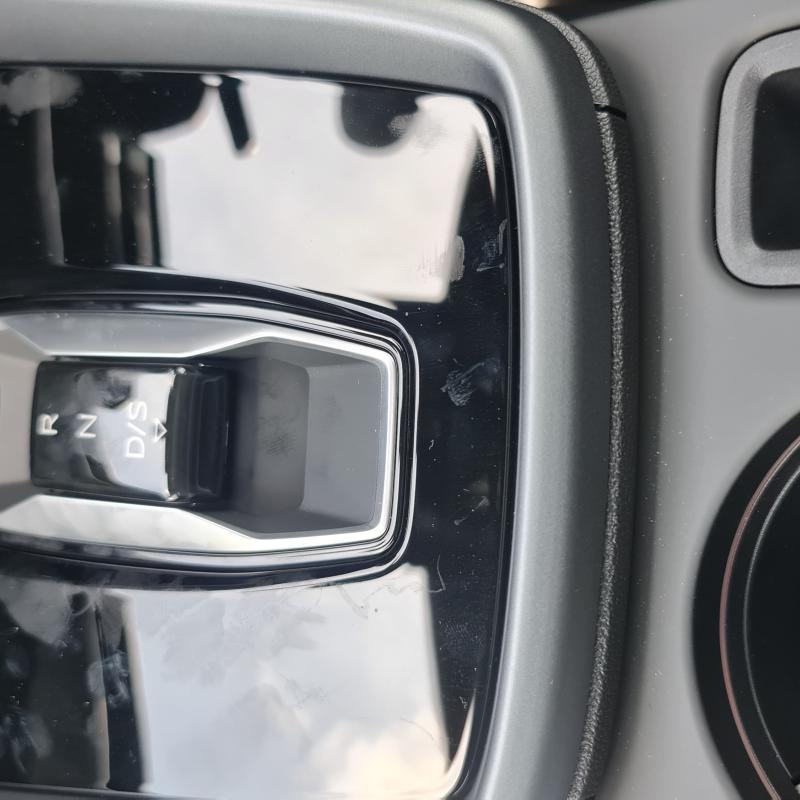
Inside the cabin, the layout prioritises driver engagement and passenger comfort through an intelligent array of features well-suited for daily utility and long-distance cruising alike. A prominent curved OLED flow display serves as the primary instrument cluster, complemented by a dedicated passenger screen that integrates media and navigation controls seamlessly. Practicality remains exceptionally high, offering generous cabin storage, clever cubbies, and a cargo capacity featuring 90 litres in the front trunk alongside a rear cargo volume ranging from 772 to 781 litres, expanding up to 1,708 litres with rear seats folded down. This layout holds strong appeal for prospective buyers navigating urban shopping trips and weekend getaways across diverse terrain. Overhead, a sweeping panoramic glass roof floods the interior with natural light, enhancing the sense of spaciousness while maintaining advanced thermal insulation against tropical glare. Audio delivery is handled by a premium surround sound architecture, providing acoustic clarity that transforms the cabin into a mobile concert hall.
Need the bigger picture?
Share this article
Comments (0)
Download our mobile app
The portable companion to gazettE. Get notifications, track read articles, and more. The latest news from Trinidad and Tobago, in one place.