JIMMIE SAYS … Time for Jamaica to get serious about horse racing
Sports
Business
Finance
July 8, 2026
Share this article
Click to view full size
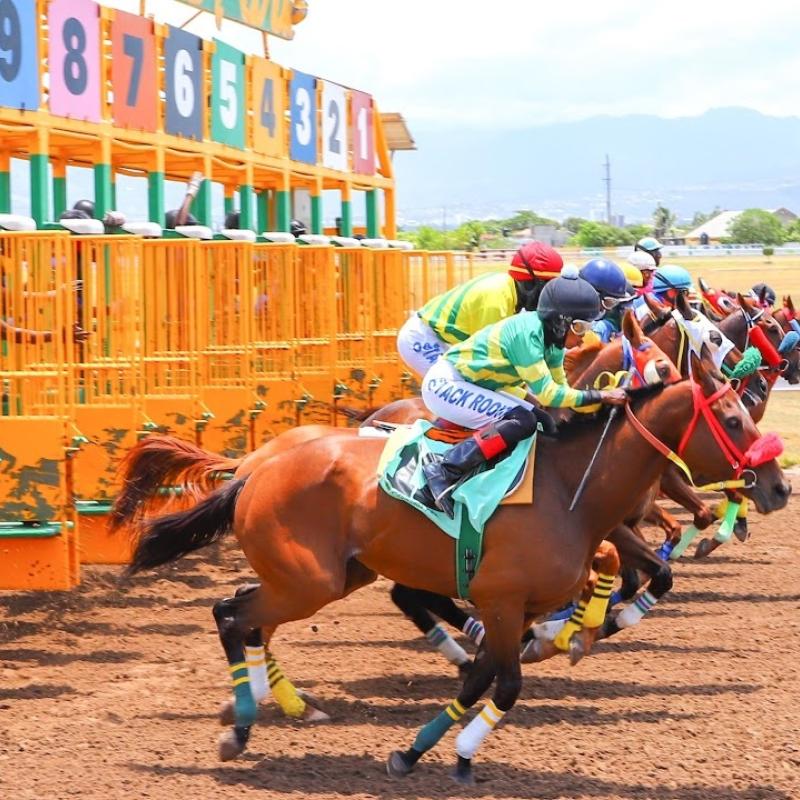
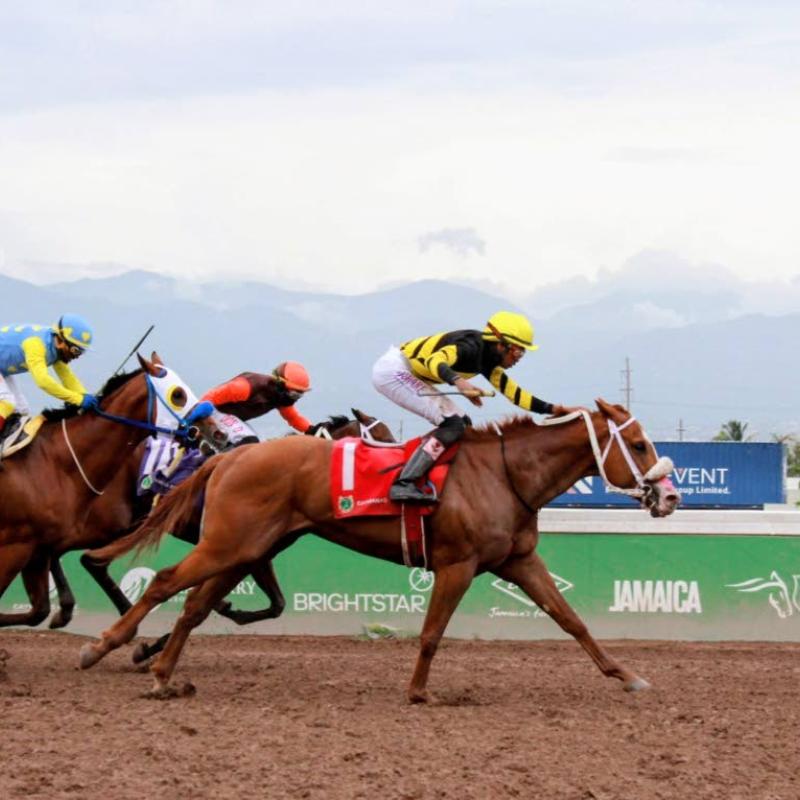
Sunday’s Jamaica St Leger could not have more aptly exhibited the contrasts of horse racing. On one hand stood 2000 Guineas winner SALUTE THE DON, sired by Aveenu Malcainu, the hottest freshman stallion standing in the country, himself a son of Into Mischief, who has topped the North American sire list since 2019.Owned and bred by the late Don Wehby, whose Atomica was a two-time Horse of the Year and 2022 Jamaica Derby winner, SALUTE THE DON could be termed racing royalty, foaled by Abicadabby, a daughter of Ghostzapper, 2004 Breeders Cup Classic winner and Horse of the Year.WE JAMMIN, who returned to humble SALUTE THE DON in the St Leger, reporting off a two-month lay-up after finishing sixth in May’s Prince Consort Stakes and missing last month’s Guineas, was sired by an equally prolific stallion, Bern Identity.However, as opposed to Wehby’s Oakridge Farms holdings, WE JAMMIN was more of a mom-and-pop hope, the product of a local-bred mare sent to the country’s top stallion, fingers crossed and hoping for the best.WE JAMMIN being crowned champion two-year-old last year and returning from setback to win the St Leger by five and a quarter lengths, reclaiming his crown from SALUTE THE DON, is the hope which fuels horse racing internationally, pumping billions of dollars into related economies.On the eve of the St Leger, two Paulick Report News stories were reprinted in the Track and Pools, detailing how two United States racetracks, Monmouth Park in New Jersey and Emerald Downs in Washington, were facing contrasting fortunes based on the level of purse support legislated, or not, by the respective states.Monmouth Park was celebrating its annual $10 million purse subsidy for 2027, the result of a $20 million state-legislated commitment made in 2019 to annually subsidise horse racing purses, split equally between thoroughbred and standardbred racing, funded by proceeds from casinos.Emerald Downs, meanwhile, though owned by the Muckleshoot tribe, which also owns and operates the track’s sister property, the Muckleshoot Casino, has no state-legislated purse support, surviving on the goodwill of the Muckleshoot, who pitches in with roughly $1 million per year.Whereas Monmouth is able to host races such as the Grade 1, $1 million NYRA Bets Haskell, Emerald Downs has received approval to reduce its August race days, hit by a 32 per cent reduction in its horse population, even though the state would have seen a bit of a bump from horses leaving California in search of better purses, yet another jurisdiction without state-legislated support.In all instances where states support racing, it’s one narrative. At Monmouth, Dennis Drazin, chairman and CEO of Darby Development LLC, operators of Monmouth Park, thanked the state’s governor “and the entire legislature for recognising how important horse racing is to New Jersey”.“In addition to its vital role of persevering farmland and the agricultural support services that come with it, horse racing in the Garden State provides an economic impact of over $4 billion, accounts for nearly 4,000 jobs and provides over $75 million in tax revenues,” Drazin emphasised.Locally, the Betting Gaming and Lotteries Commission (BGLC), a body which does not administrate horse racing, reported collecting $154.36 million in levy, fees and fines. For 2025/26, the BGLC estimates this figure to jump to $178.51 million.The Jamaica Racing Commission (JRC) reported $680.47 million in audited income for 2024/25, estimated at $622.40 million for 2025/26 and projected to be $670.90 million for 2026/27.Unlike North America, which has to depend on legislated funding from casino revenues, Jamaica clearly does not have to touch another industry, nor the Consolidated Fund, for support.Horse racing generates enough revenue for two state bodies, the BGLC and JRC, averaging $750 million annually, providing horsemen with ample ammunition to make a case for adequate legislated purse support.This is the model practised in the United Kingdom, the levy on bookmakers returned to the industry to support purses, horsemen benevolence, equine welfare, breeders, the National Stud at Newmarket, which is also a ‘university of the horse’, the “UK’s only public, commercial stud farm, offering seasonal guided tours, thoroughbred boarding, and industry-leading equine education programs”.It’s either Jamaica gets serious about the horse-racing industry or continues to plod along as an also-ran.
Sports
Business
Finance
Need the bigger picture?
Share this article
Comments (0)
Download our mobile app
The portable companion to gazettE. Get notifications, track read articles, and more. The latest news from Trinidad and Tobago, in one place.