Ali’s Intervention Raises Question of Regional Power
Politics
October 1, 2026
Share this article
Click to view full size
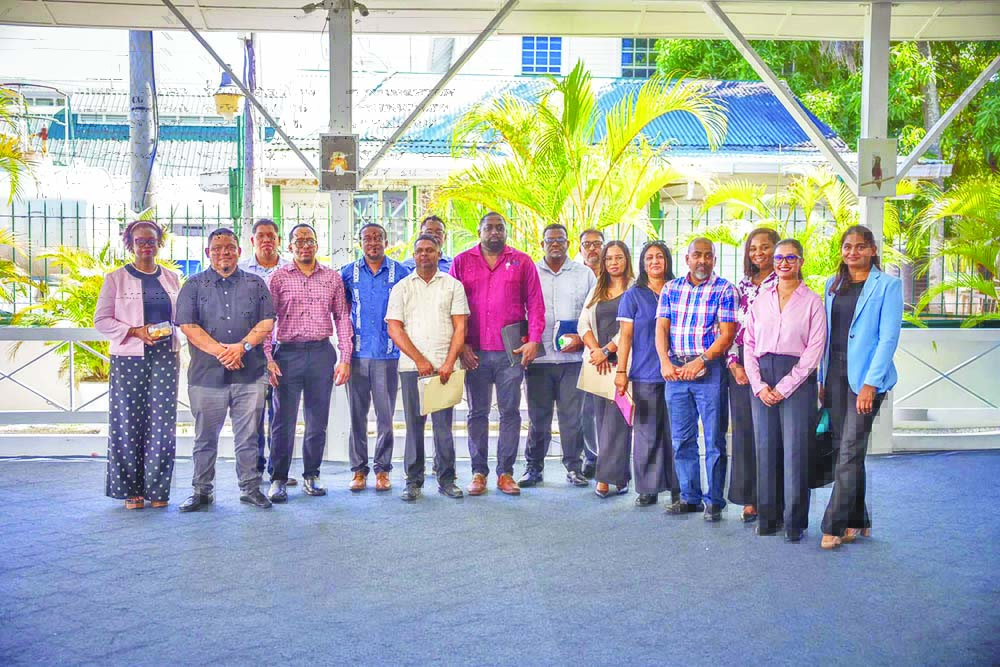
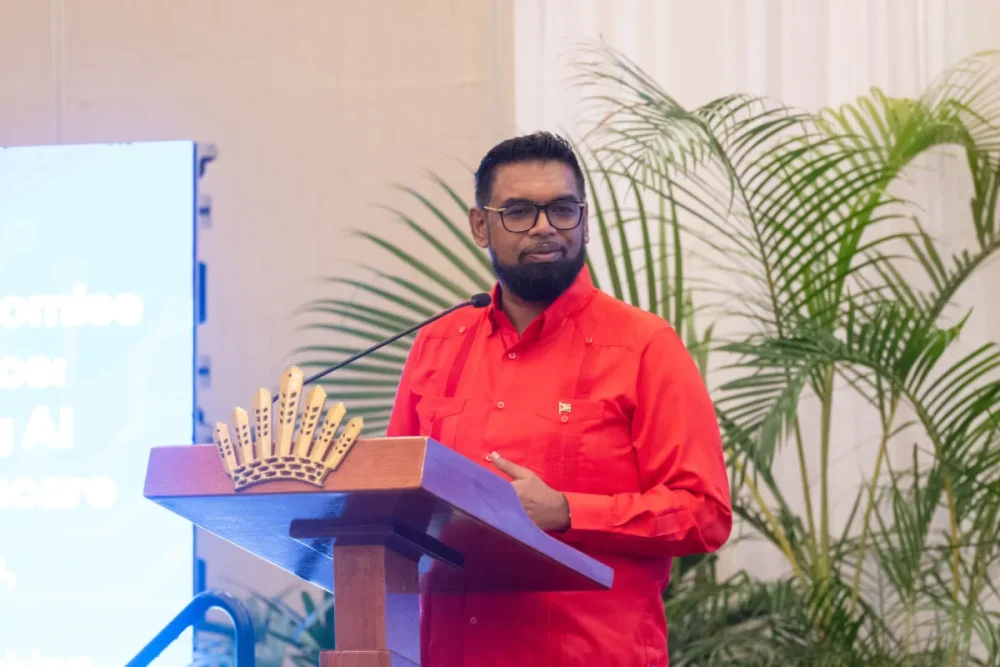
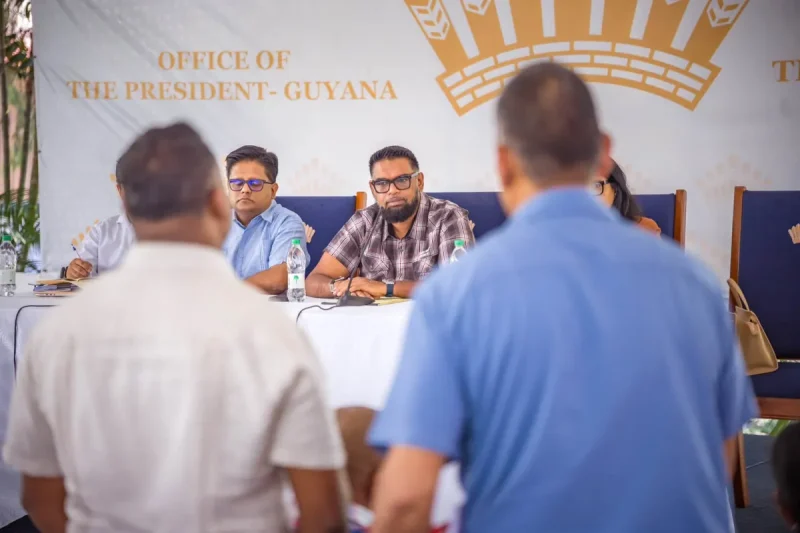
President Irfaan Ali’s decision to summon Regional Executive Officers, Regional Education Officers and Regional Health Officers from all 10 administrative regions to State House and issue “on-the-spot” instructions may demonstrate an urgency to fix problems. But it also exposes a deeper question about the President’s governing style: does direct presidential intervention strengthen public administration, or does it risk turning government into a system where every serious problem must eventually reach the President’s desk?
According to the Department of Public Information, Ali met the regional officials on September 28, heard their concerns and instructed that pending issues and bottlenecks affecting education and healthcare be resolved. The meeting also reviewed digital systems that government says have improved the delivery of medicines and medical supplies.
On the surface, the approach is difficult to criticise. Citizens want problems solved, not bureaucratic explanations. But there is a governance cost when a President repeatedly becomes the first responder, troubleshooter and final problem-solver for routine administrative failures.
Politics
Need the bigger picture?
Share this article
Comments (0)
Download our mobile app
The portable companion to gazettE. Get notifications, track read articles, and more. The latest news from Trinidad and Tobago, in one place.