GPL ramps up crackdown on electricity theft
Crime
Business
August 29, 2026
Share this article
Click to view full size
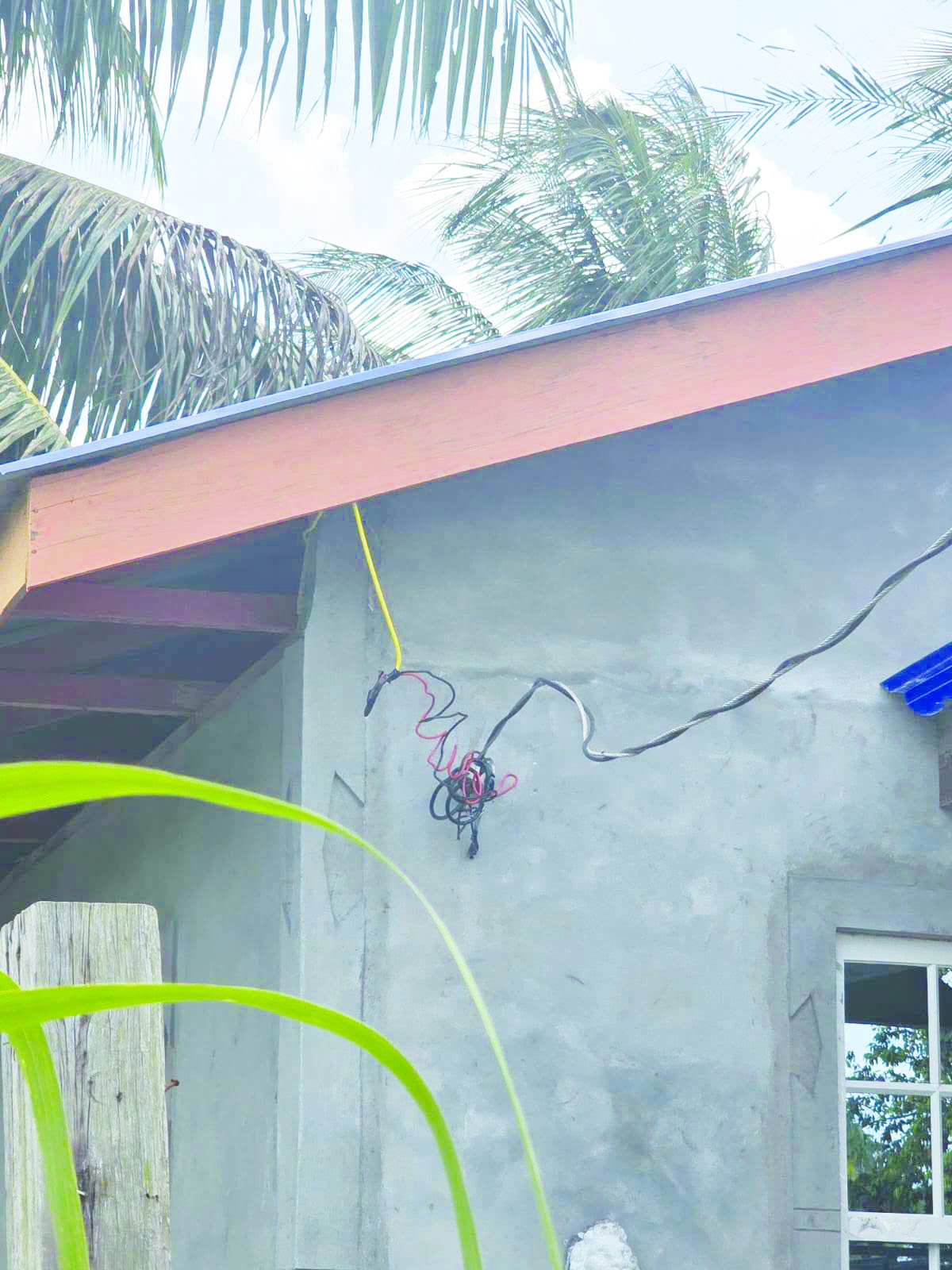
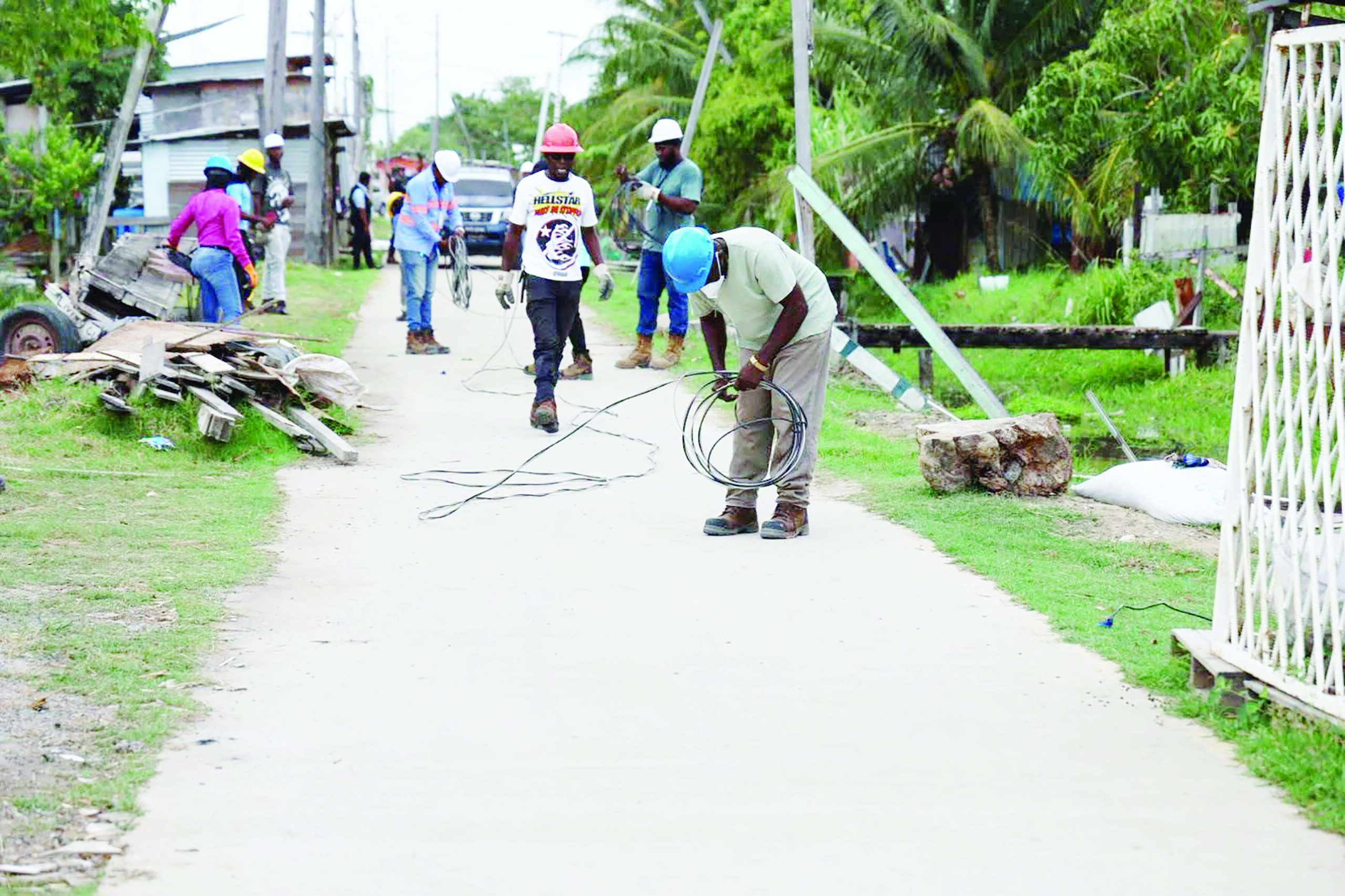
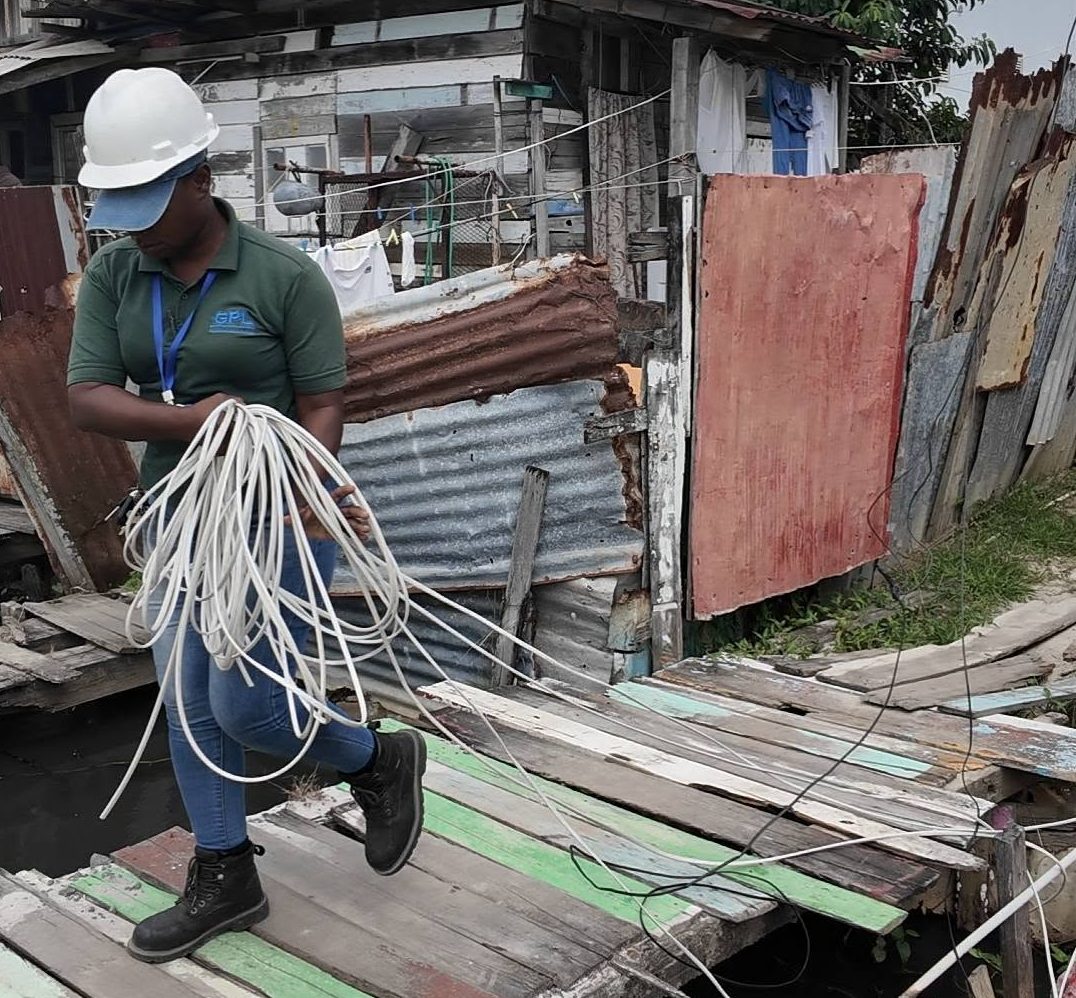
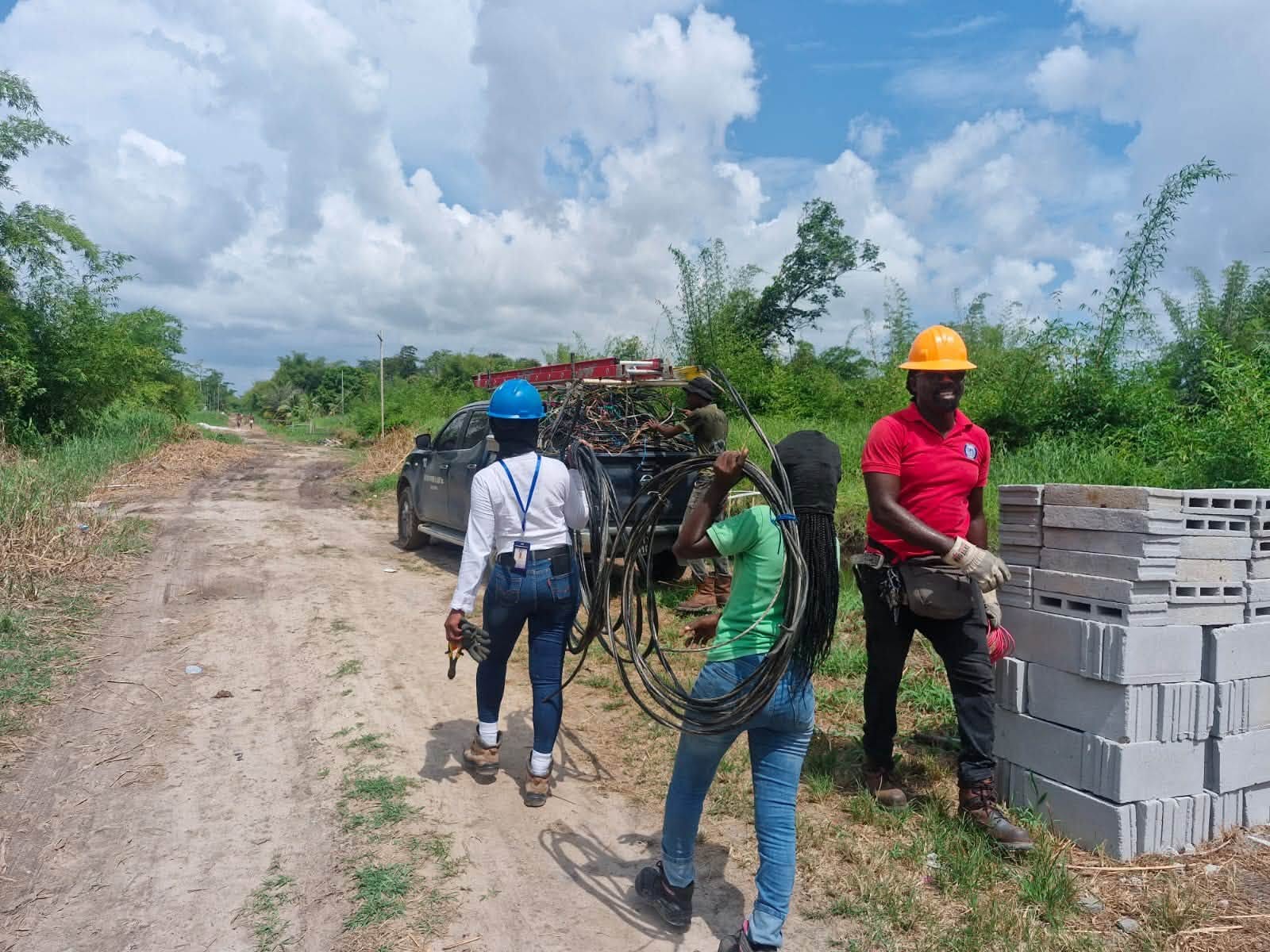
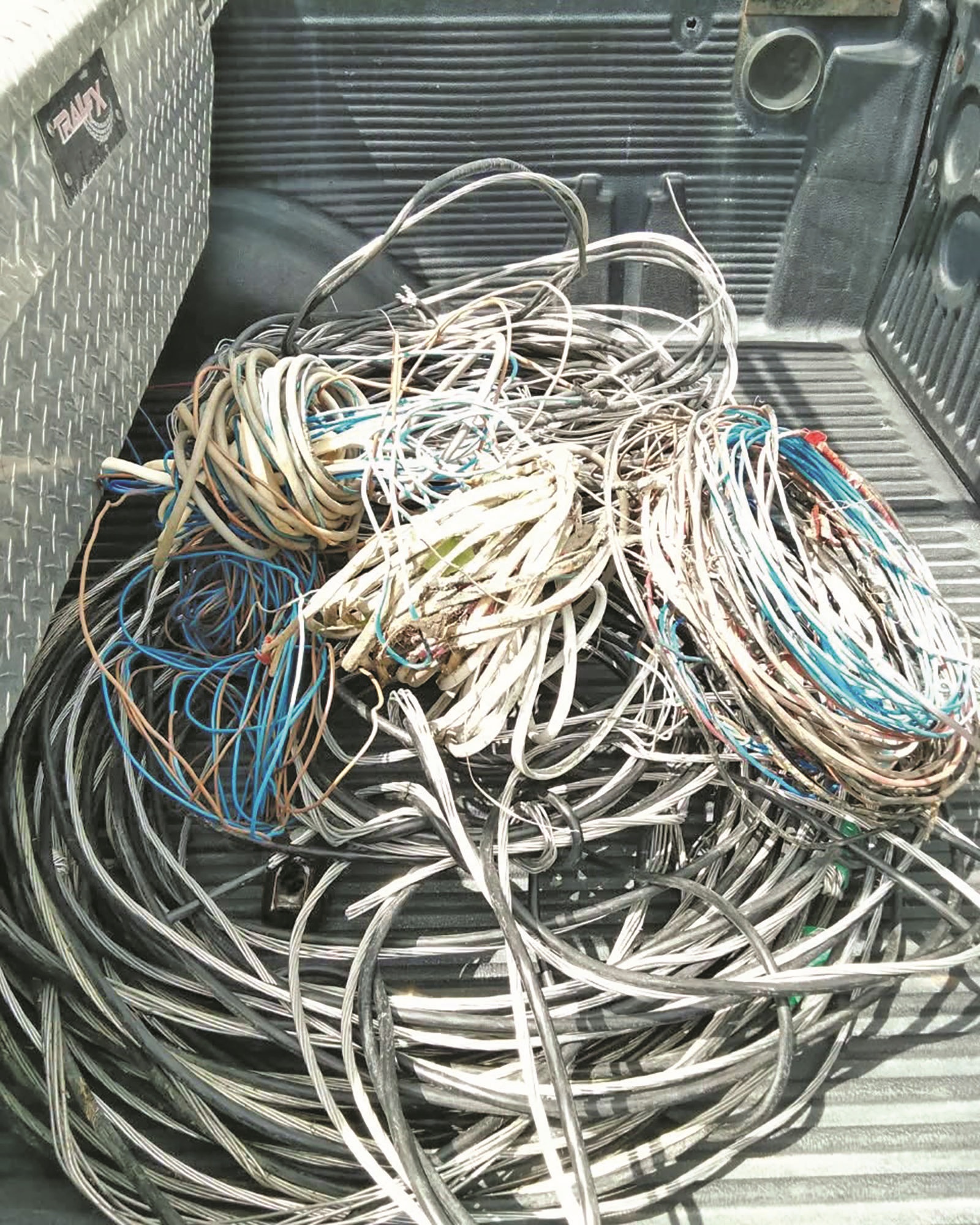
The Guyana Power and Light (GPL) is continuing its countrywide campaign to curb electricity theft. On Thursday, the power company’s Loss Reduction Department conducted an exercise in Lamaha Springs, Georgetown, where they identified and removed several illegal electricity connections from its network. According to GPL, electricity theft not only affects the company but the entire community as well. It noted that illegal connections can overload transformers and feeders, damage network infrastructure, and contribute to equipment failures and power disruptions. They can also lead to electrocution and electrical fires, putting lives and property at risk. Moreover, GPL is reminding the public that electricity theft is a criminal offence, warning that persons found stealing electricity will be prosecuted to the fullest extent of the law. “These loss-reduction exercises will continue in communities across the country as GPL works to curb electricity theft and protect the safety, reliability, and efficiency of the electricity network,” the power company stated on Friday. Earlier this month, GPL started to intensify efforts to curb electricity theft with loss-reduction exercises carried out in communities across Regions Four (Demerara-Mahaica) and Six (East Berbice-Corentyne). In fact, a three-day exercise last week at Eccles, Diamond Phase Three and Little Diamond on the East Bank of Demerara (EBD) as well as sections of Sophia, Greater Georgetown, had resulted in the discovery and disconnection of over 220 illegal connections.
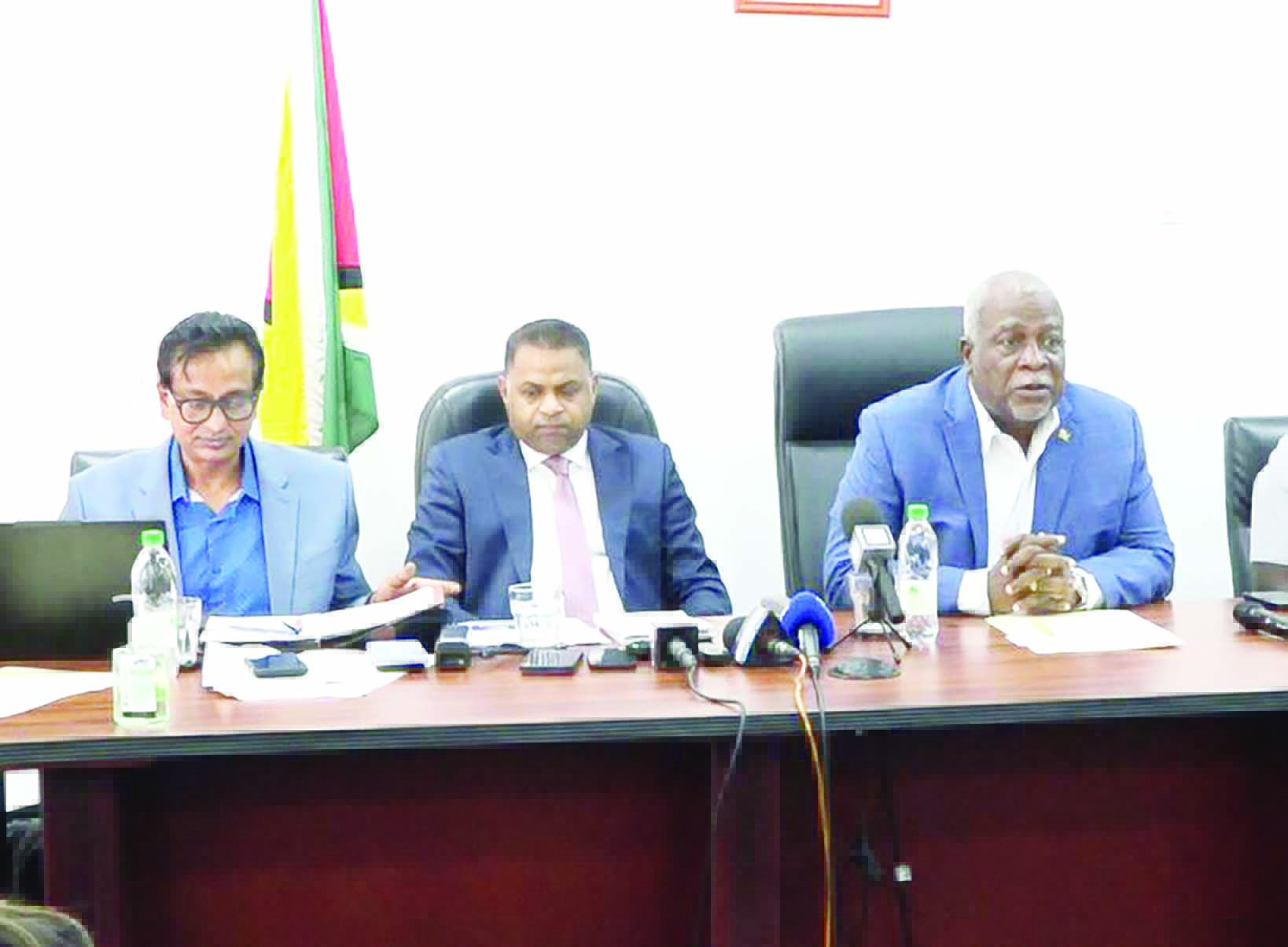
The removal of those connections totalled approximately 1 megawatt (MW). It was previously reported that GPL’s commercial losses, primarily driven by electricity theft and illegal connections, are approximately 12 per cent. GPL’s losses are incurred mainly by two major factors: commercial losses including electricity theft and technical losses caused by power traveling over long distances. The company’s total losses are pegged around 24-25 per cent, of which technical losses account for around 13 per cent. During the press conference on August 14, Public Utilities and Aviation Minister Deodat Indar had noted that GPL’s Loss Reduction Department have been intensifying efforts to identify illegal connections and pursue those who steal power. “So, whenever they find people [stealing electricity], they go after them. They have procedures for how they do it. They record it, they calculate the usage, and they conduct back-billing. So, that is an ongoing process,” Indar had explained. When it comes to the technical losses, the planned upgrades to the electricity transmission network will address this. In fact, these works have already commenced with the installation of approximately 320 kilometres (km) of both 230 kilovolt (kV) and 69 kV double-circuit transmission lines as part of its major grid expansion and modernisation project. According to Indar, “All these transmission lines…they are built to accommodate the smart grid. We’re also purchasing the AMI (Advanced Metering Infrastructure) meters now, which will facilitate [monitoring of power use].” In fact, during that same press conference earlier this month, Prime Minister (PM) Brigadier (Retired) Mark Phillips, who has responsibility for the country’s energy sector, had said the Government will be relying on the planned upgrades to the national grid to reduce electricity theft across the country.
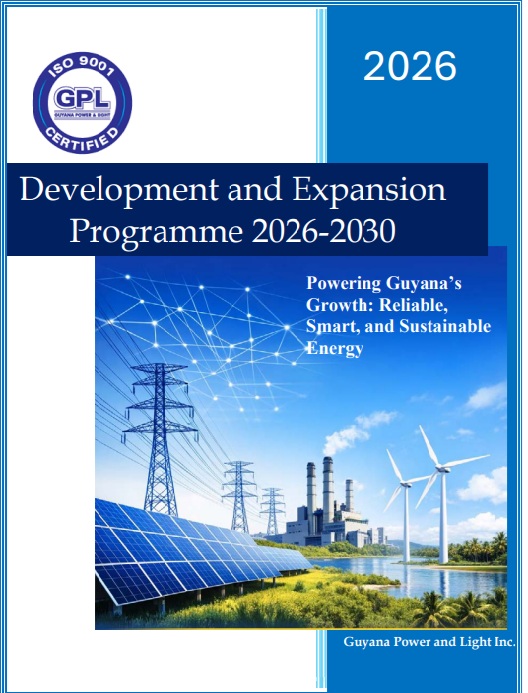
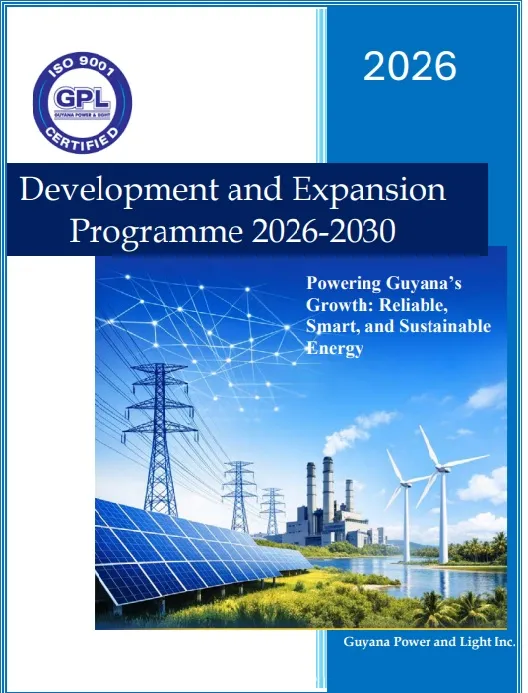
“It’s not going to happen now – it’s part of the whole strategic outlook for GPL. In improving or modernising the whole transmission and distribution system, they’re going to depend heavily on ICT (Information and Communications Technology) and available technology to make the grid smarter. So, we will achieve a smart grid over the next five to 10 years, and we’re going to reach a point, like in many other countries, where they can sit in a control centre and identify who is stealing electricity and just turn them off with the press of a button. It’s going to happen.” PM Phillips had stated. The state-owned power company is currently undertaking a US$4.869 billion Development and Expansion Programme 2026-2030 to transform the electricity sector. This strategic plan seeks to, among other things, expand power generation capacity, modernise and reinforce the transmission and distribution (T&D) system and implement smart grid technologies over the next five years. Under Phase Two (2026-2027) of the Development and Expansion Plan, GPL is currently installing 20,000 smart meters and an AMI Datacentre. The aim, however, is to eventually provide the entire customer base with smart meters (approximately 285,000) by 2030, replacing the legacy meters. These smart meters and associated communication networks will enable remote meter reading, real-time consumption data, time-of-use pricing to optimise generation costs and quicker detection of theft or outages.
Crime
Business
Need the bigger picture?
Share this article
Comments (0)
Download our mobile app
The portable companion to gazettE. Get notifications, track read articles, and more. The latest news from Trinidad and Tobago, in one place.