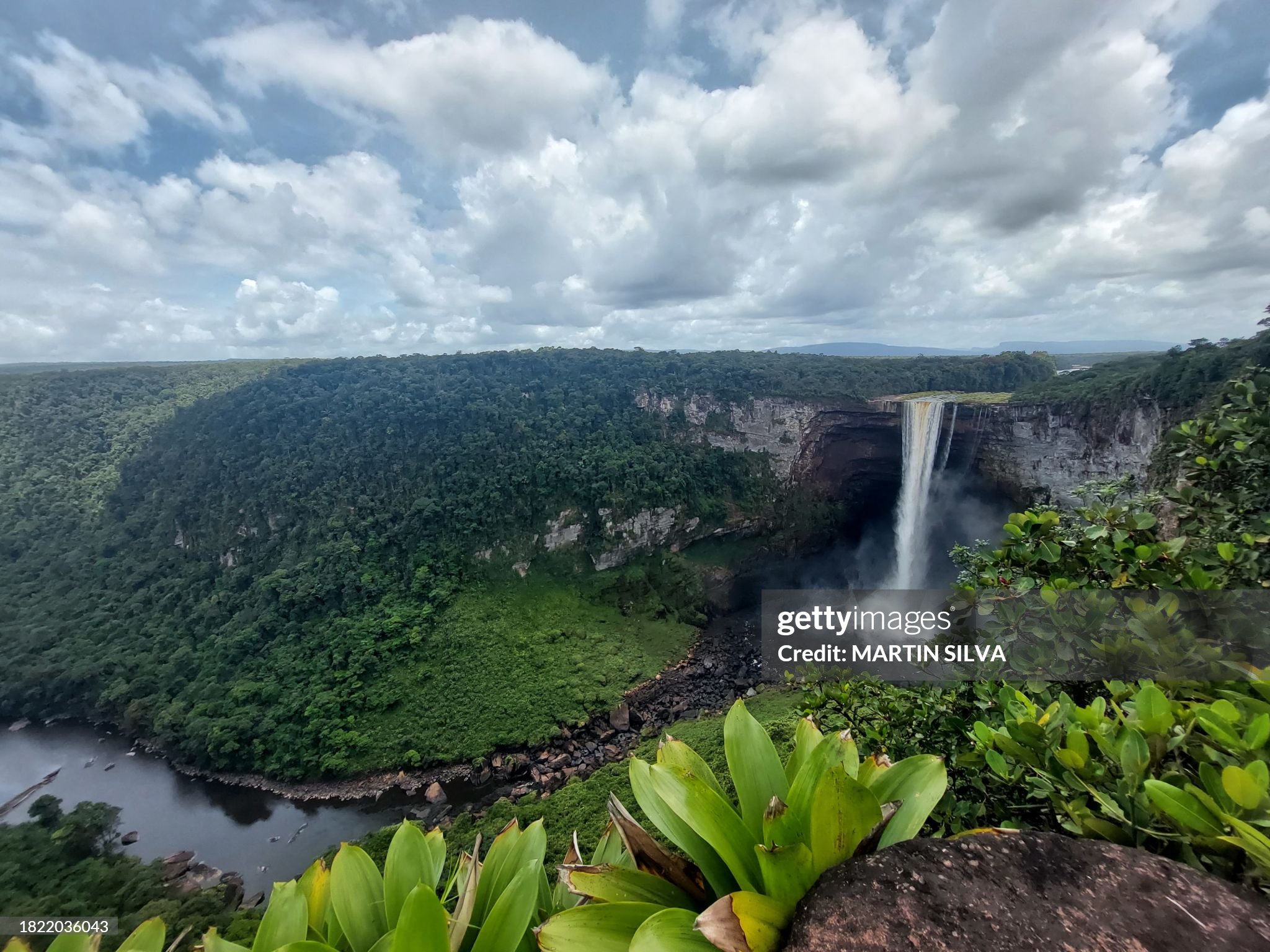
The King comes to a colony that never quite became free
Politics
Business
Finance
October 30, 2026
Share this article
Click to view full size
Oct 30, 2026 Features / Columnists, Peeping Tom
(Kaieteur News) – The King’s official visit to Guyana is an occasion for ceremony, the polishing of old silver and the remembering of a history that we might otherwise prefer to leave undisturbed. There will be speeches about friendship, partnership and the enduring bonds between our two countries. The streets will be cleaned, the buildings spruced up, and the nation will be invited to admire itself through the eyes of a visiting monarch.
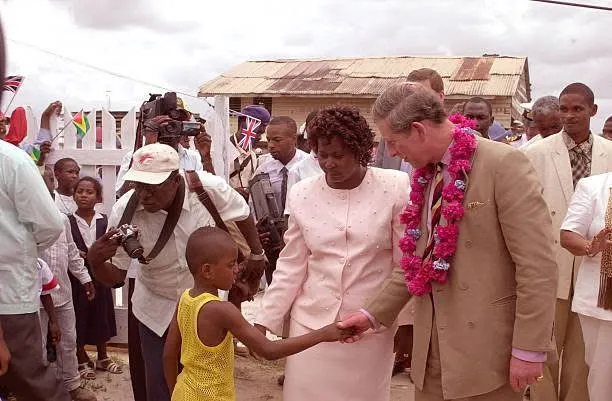


But the King’s presence carries another meaning. It reminds us that Guyana was once a colony of Great Britain, governed from afar, its resources extracted for the benefit of others, its people expected to understand their place in an imperial arrangement they had no power to determine. We became independent in 1966. The Union Jack came down, our own flag went up, and the machinery of government passed into Guyanese hands. We acquired the symbols of sovereignty, the diplomatic formalities of nationhood and the right to speak in our own name. Yet there is a question that the royal visit ought to provoke. That question is: how much of the substance of economic independence have we actually secured?
Politics
Business
Finance
Need the bigger picture?
Share this article
Comments (0)
Download our mobile app
The portable companion to gazettE. Get notifications, track read articles, and more. The latest news from Trinidad and Tobago, in one place.