Simon Black, Elaine Duncan, Shirley Pryce | Domestic workers deserve dignity and respect
Politics
Legal
June 21, 2026
Share this article
Click to view full size
Countries around the globe are facing care crises, a dire situation of growing gaps between care needs and societies’ capacities to meet these needs. Jamaica is no exception: from underinvestment in care services and inadequate care leave policies, outmigration of care professionals are major concerns. Further, demographic shifts, namely an aging population and declining birth rate, has fuelled the crisis of care.
For many Jamaican households, the unpaid care work of family members, relatives, and neighbours – work done disproportionately by women – fills care gaps. Jamaican women spend nearly four times as much time on unpaid care as men. But women do not bear the burdens of unpaid care evenly: middle- and upper-class households can purchase care services on the market, including by employing domestic workers. This is a luxury that poor households cannot afford.
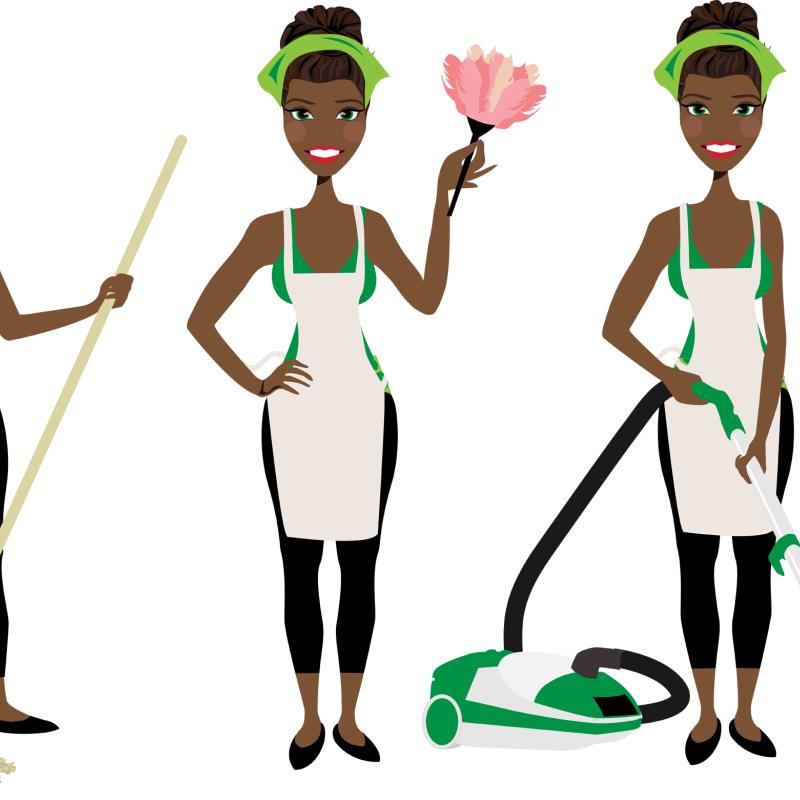
Domestic workers, 80 per cent of whom are women, play a central, though often unacknowledged, role in Jamaica’s care sector. An estimated 22 per cent of domestic workers in Jamaica provide direct care for private households, meaning face-to-face personal care for children, people with disabilities, the sick, or the elderly. Almost all women employed in the sector provide some form of indirect care services for households such as cooking, cleaning, or doing the laundry. Despite the social value of this work, low wages, long hours, and long commutes, and lack of access to care leave hinder domestic workers’ capacities to care for their own families even while providing paid care for others.
Politics
Legal
Need the bigger picture?
Share this article
Comments (0)
Download our mobile app
The portable companion to gazettE. Get notifications, track read articles, and more. The latest news from Trinidad and Tobago, in one place.