$16.4M climate-smart model farm showcases future of agriculture in Region 5
Business
Finance
July 21, 2026
Share this article

Click to view full size
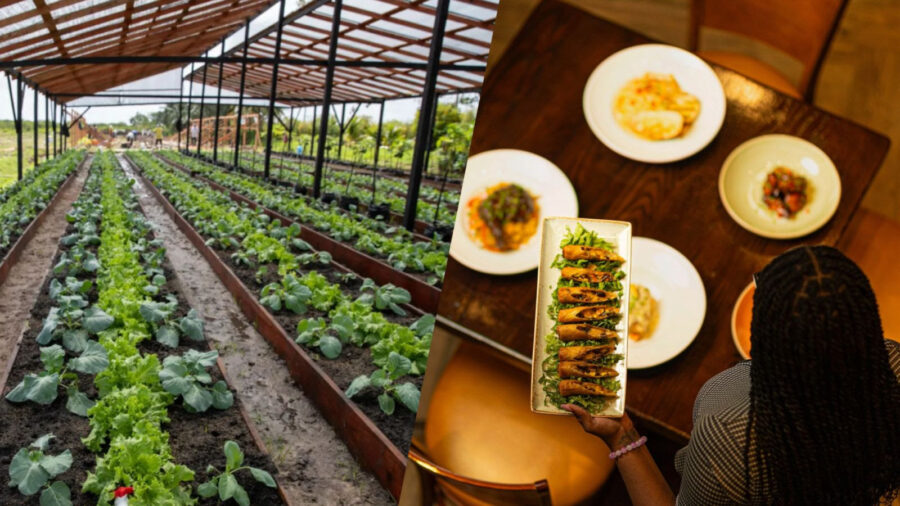
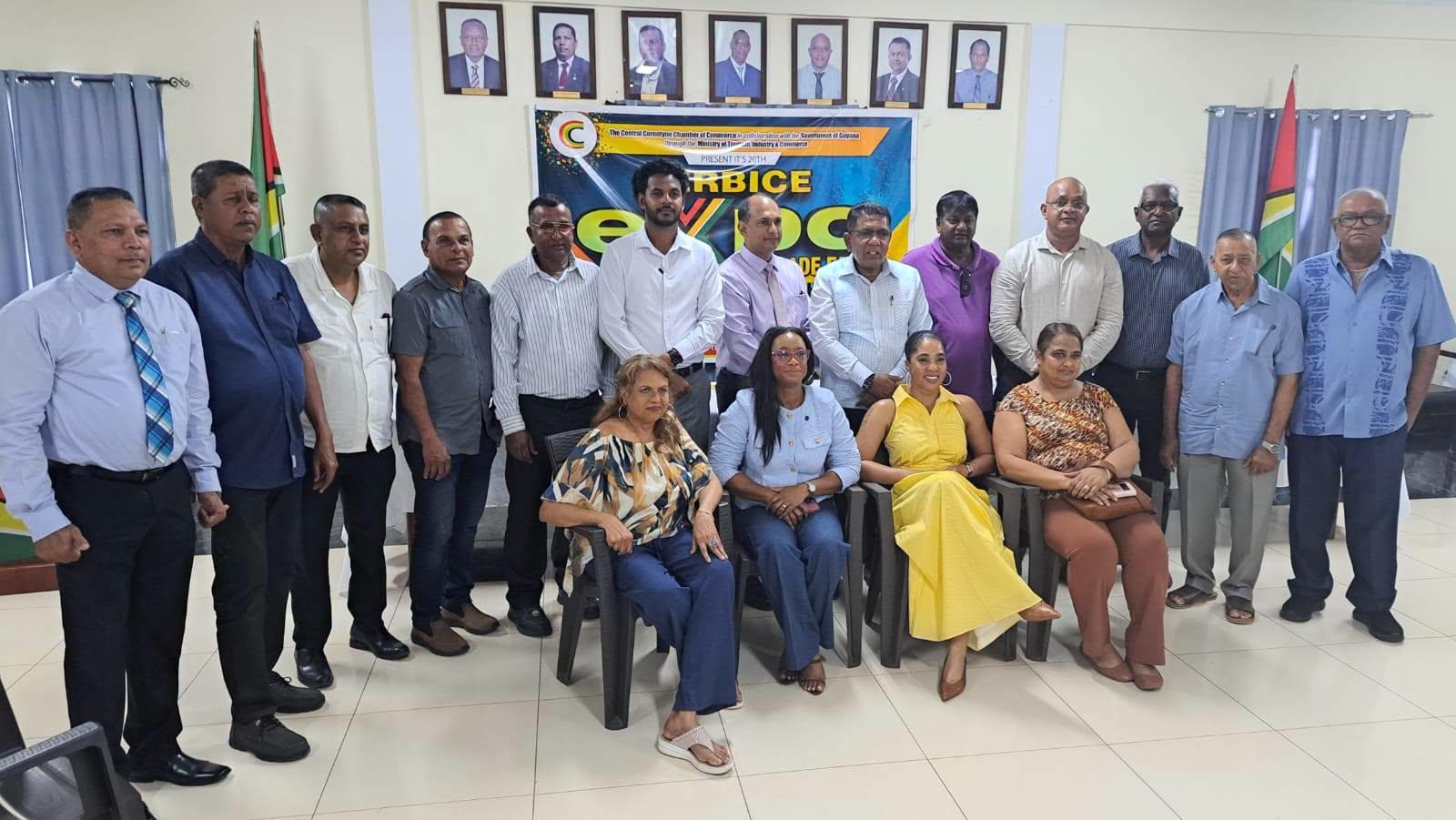
A $16.4 million model agriculture facility at Fort Wellington, Region Five (Demerara-Mahaica) was inspected on Wednesday by the Private Sector Commission’s (PSC) Agriculture Subcommittee and the Region Three Chamber of Commerce and Industry (R3CCI) during a site visit. The visit according to the PSC was aimed at assessing its operations and potential to support agricultural development. The state-of-the-art facility was established under the Agriculture Ministry’s Sustainable Agriculture Development Project (SADP) with funding from the Inter-American Development Bank (IDB). The farm, the PSC said on Monday, serves as a regional hub for climate-smart agriculture, featuring advanced hydroponic systems, protective shade houses, and organic vermicomposting units designed to promote sustainable and innovative farming practices.
The delegation comprised PSC Agriculture Subcommittee, other PSC representatives and R3CCI representatives and were guided Coordinator of the Model Farm, Krishna Sewlall. During the tour, the delegation observed the cultivation of several high-value crops, including broccoli, bell peppers, seasoning peppers, lettuce, purple cabbage, and celery, using innovative intercropping methods and shade house technology. The facility operates as a comprehensive agricultural demonstration centre, showcasing advanced hydroponic systems, protected cultivation techniques and sustainable farming practices that can be replicated by local farmers. Sewlall explained that celery, which currently sells for approximately $3,000 per pound, represents a potentially lucrative opportunity for local farmers. Other high-value crops cultivated at the facility include chives, parsley, and shallots. However, he noted that securing a consistent supply of quality celery seeds remains a significant challenge for producers. The delegation also learned about the benefits of ultraviolet (UV)-resistant plastic sheeting, which is used to protect cash crops and delicate vegetables from intense sunlight and adverse weather conditions, helping to improve crop quality and yields.
Following the visit to the Model Farm, the delegation toured the “Green to Life” Farm in Bath Settlement, operated by prominent local farmer Mr Dhaniram Ramchand. A pioneer in introducing local bell pepper cultivation to the region, Mr Ramchand shared his expertise in celery production and showcased his nursery of young celery seedlings. The visit, the PSC said, provided insights into the opportunities and challenges facing Guyana’s agricultural sector while underscoring the importance of innovation, technology and collaboration in strengthening local food production and advancing the country’s agribusiness sector.
Business
Finance
Need the bigger picture?
Share this article
Comments (0)
Download our mobile app
The portable companion to gazettE. Get notifications, track read articles, and more. The latest news from Trinidad and Tobago, in one place.