Share this article
Click to view full size
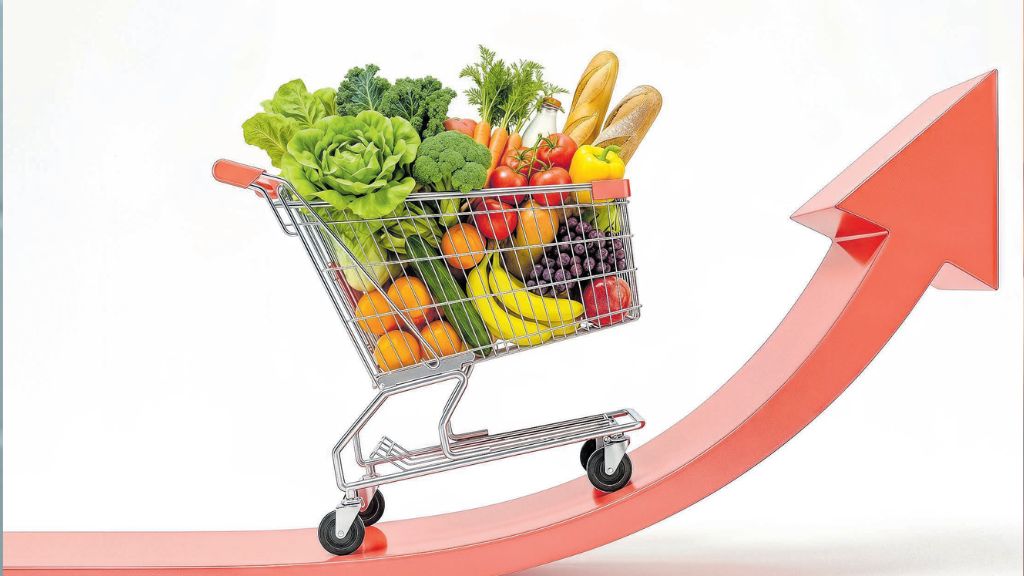
BANK of Jamaica (BOJ) researchers are questioning whether policymakers react too slowly when global food costs surge, after finding that increases tend to last longer but draw a slower response than oil price shocks.
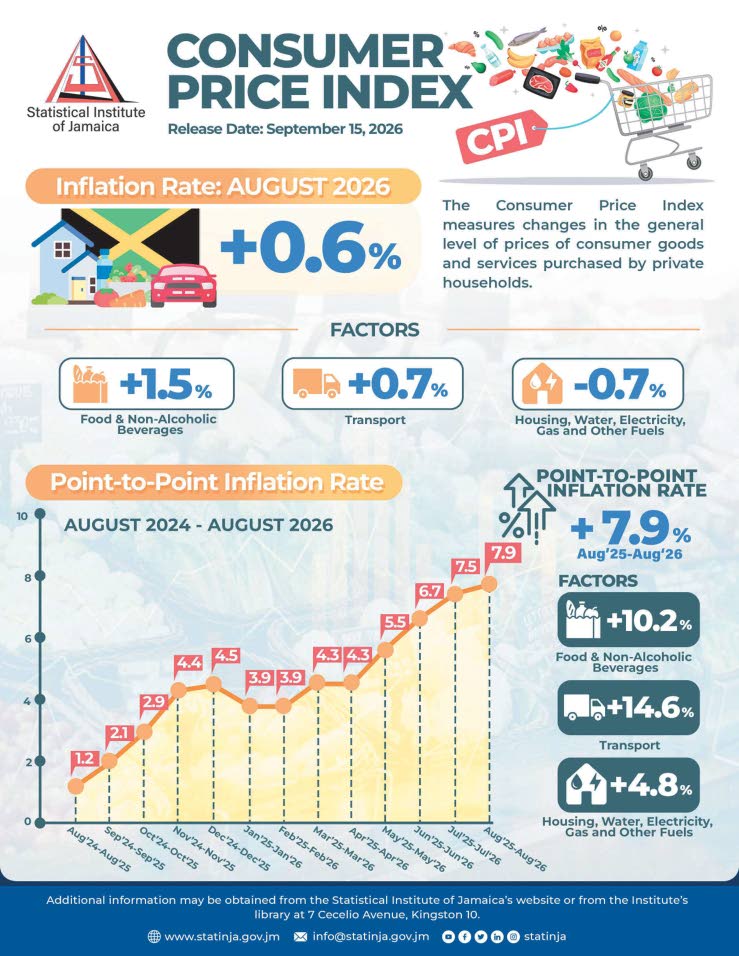
The finding comes ahead of the BOJ’s next monetary policy decision on September 28, with inflation at 7.9 per cent in August, above the central bank’s four to six per cent target range.
The study, prepared by BOJ economists Calvin Grant, Ashaud Shirley, and Reneisha Craig, looked at how changes in global food, oil and alumina prices affect inflation, economic activity, interest rates and the exchange rate in Jamaica. It used quarterly data from June 2000 to March 2025.
Finance
Business
Need the bigger picture?
Share this article
Comments (0)
Download our mobile app
The portable companion to gazettE. Get notifications, track read articles, and more. The latest news from Trinidad and Tobago, in one place.