Caribbean faces jobs, tourism and agriculture risks as El Niño threatens livelihoods – ILO
Business
August 6, 2026
Share this article
Click to view full size
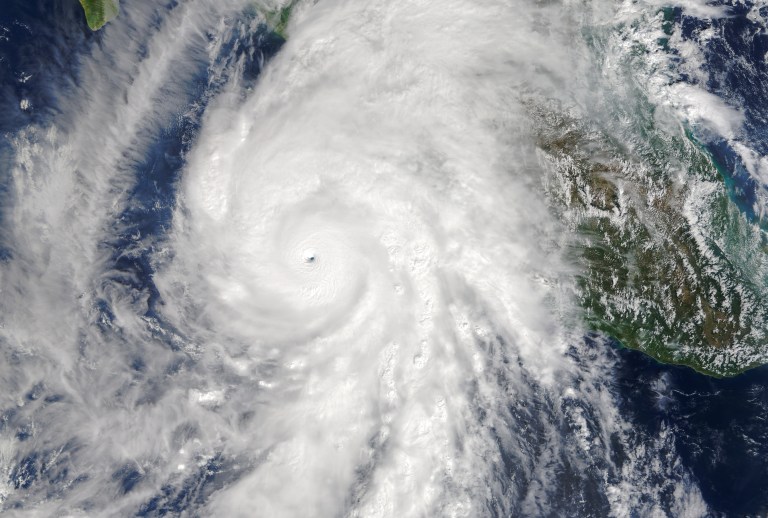
The 2026-2027 El Niño could affect jobs and livelihoods across the Caribbean, with agriculture, fisheries and tourism identified among the sectors most exposed to the climate phenomenon, according to a new report by the International Labour Organisation (ILO).
The ILO says the Caribbean is among the regions expected to experience drought, water shortages and heatwaves during the 2026-2027 El Niño, with agriculture – including maize, beans, wheat, coffee and sugarcane – fisheries and tourism as some of the sectors facing the greatest risk.
El Niño is a naturally occurring climate pattern marked by unusually warm sea surface temperatures in the central and eastern Pacific Ocean. It can disrupt global weather patterns, bringing drought, heatwaves or excessive rainfall to different regions.
Business
Need the bigger picture?
Share this article
Comments (0)
Download our mobile app
The portable companion to gazettE. Get notifications, track read articles, and more. The latest news from Trinidad and Tobago, in one place.