New approach needed to fight crime – AG, DPP
Crime
Legal
September 15, 2026
Share this article

Click to view full size
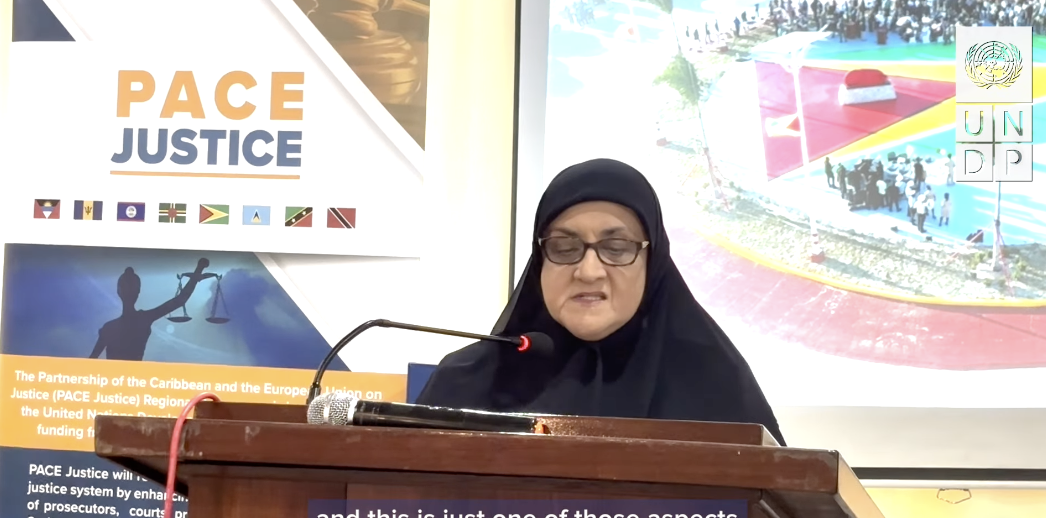
Attorney General (AG) and Legal Affairs Minister, Anil Nandlall, SC and Director of Public Prosecutions (DPP), Shalimar Ali-Hack, SC have called for a new approach to criminal justice as technology and organised crime continue to evolve. Ali-Hack made the call while opening a two-day training programme for State Counsel attached to the DPP’s Chambers, Police Prosecutors, the Special Organised Crime Unit (SOCU) and Police Legal Advisers at Pegasus Corporate Suites on September 10. She praised the United Nations (UN) PACE Project for facilitating the training, describing it as timely, particularly with the introduction of new legislation governing criminal law. Ali-Hack pointed to the Cybercrime Act and other information technology (IT) legislation as examples of areas in which prosecutors and law enforcement personnel must strengthen their knowledge.
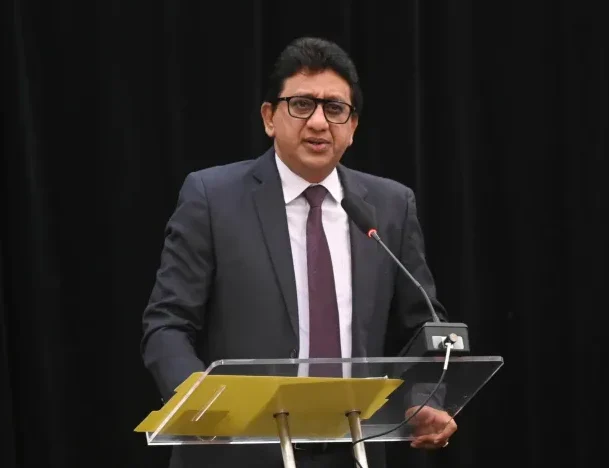
“This training is very important, it is very timely,” she said, adding that the incorporation of information technology into the law requires the country to “adjust and move with the times.” Nandlall, in his feature address, said changes in the nature of criminal activity require a corresponding change in the way crime is investigated and prosecuted. “I think we have to accept that the criminals have won the battle,” he said. “We simply must be able to appreciate by now that what we did over the last 50 years has not worked.” He said law enforcement agencies must change their approach if they are to improve their effectiveness over the next 50 years. According to Nandlall, criminal enterprises have increasingly gained access to technology, substantial financing and, in some cases, influence within Government structures. “They have access now to technology and it’s using it in a far more assertive way than law enforcement agencies are using it,” he said.
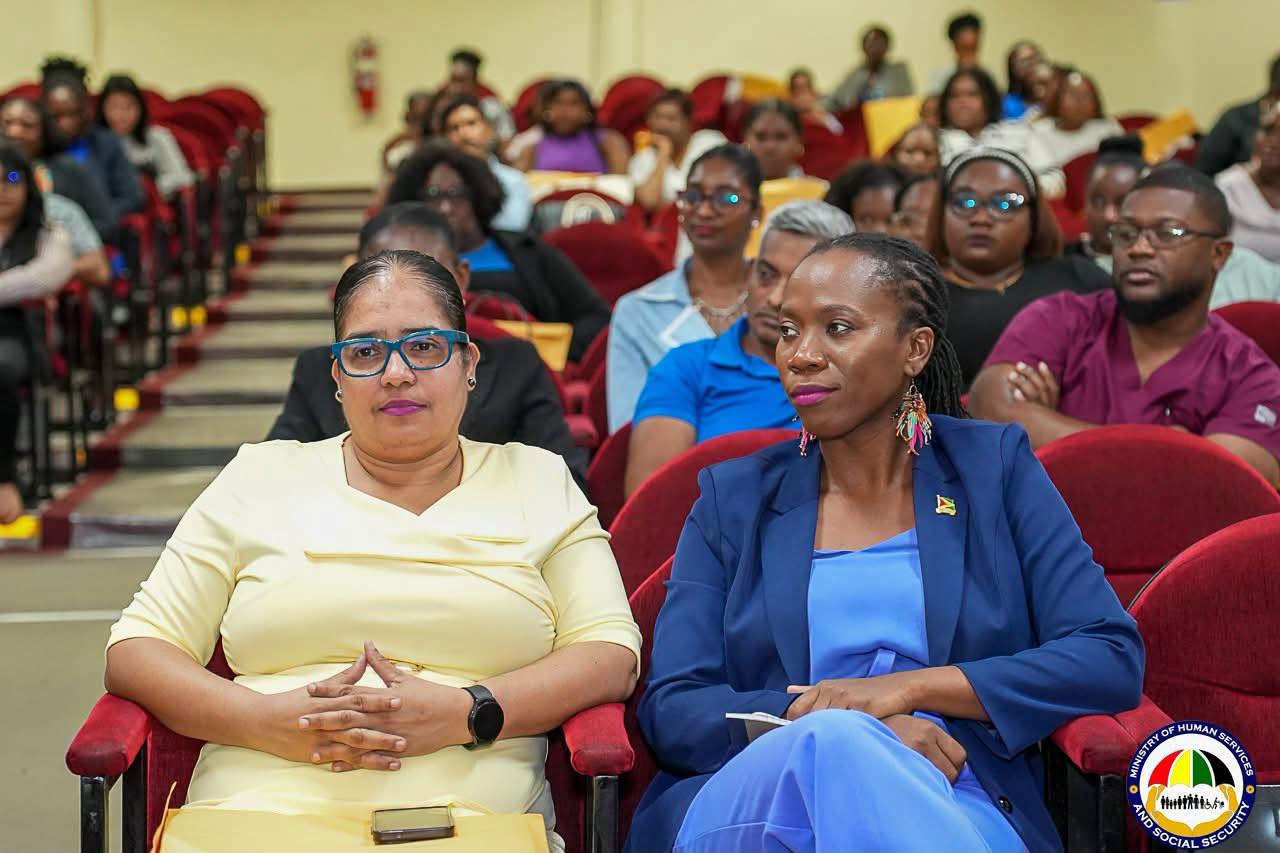
Nandlall stressed that responding to crime requires a coordinated approach involving investigators, prosecutors and the courts. “We can’t be prosecuting criminals in a room, losing the battle in the courts and then you have a tribunal that is not responsive. Or we have investigators who do not do the basic investigations necessary to yield the results that we would like to see,” he said. He said the training programme was important because it strengthened “all the important links in the chain” involved in the criminal justice process. The two-day programme was conducted by Justice of Appeal of Trinidad and Tobago, Gillian Lucky and covered a range of areas relevant to criminal prosecutions. Topics included money laundering offences, voir dires, caution statements, video interviews, res gestae, dying declarations, hearsay evidence and its exceptions, rebuttal evidence, additional and fresh evidence, secondary evidence, cross-examination and re-examination. The training also covered circumstantial evidence, identification evidence and plea bargaining.
Crime
Legal
Need the bigger picture?
Share this article
Comments (0)
Download our mobile app
The portable companion to gazettE. Get notifications, track read articles, and more. The latest news from Trinidad and Tobago, in one place.