Share this article
Click to view full size
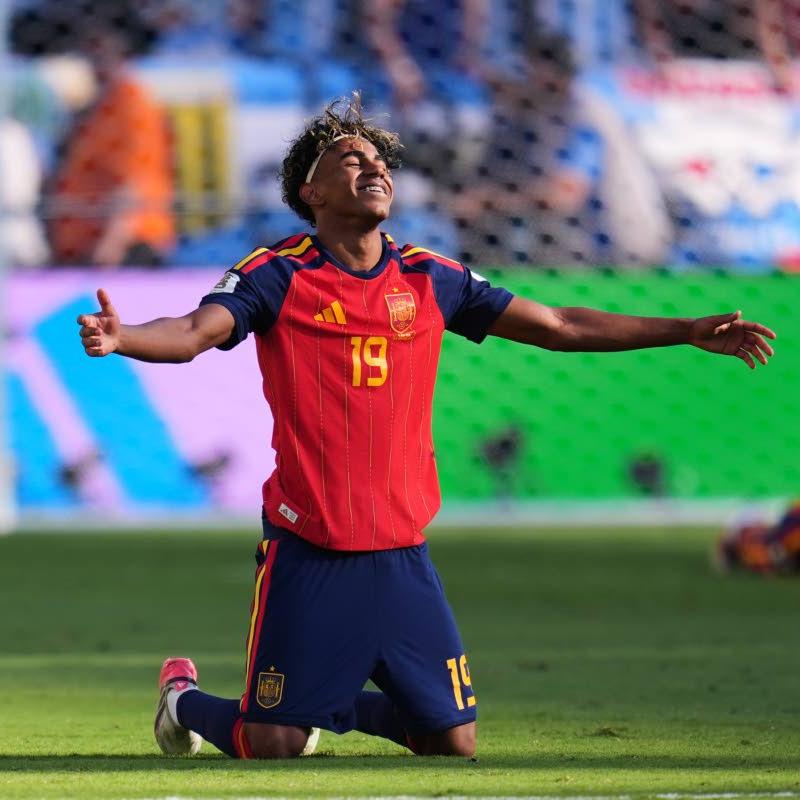
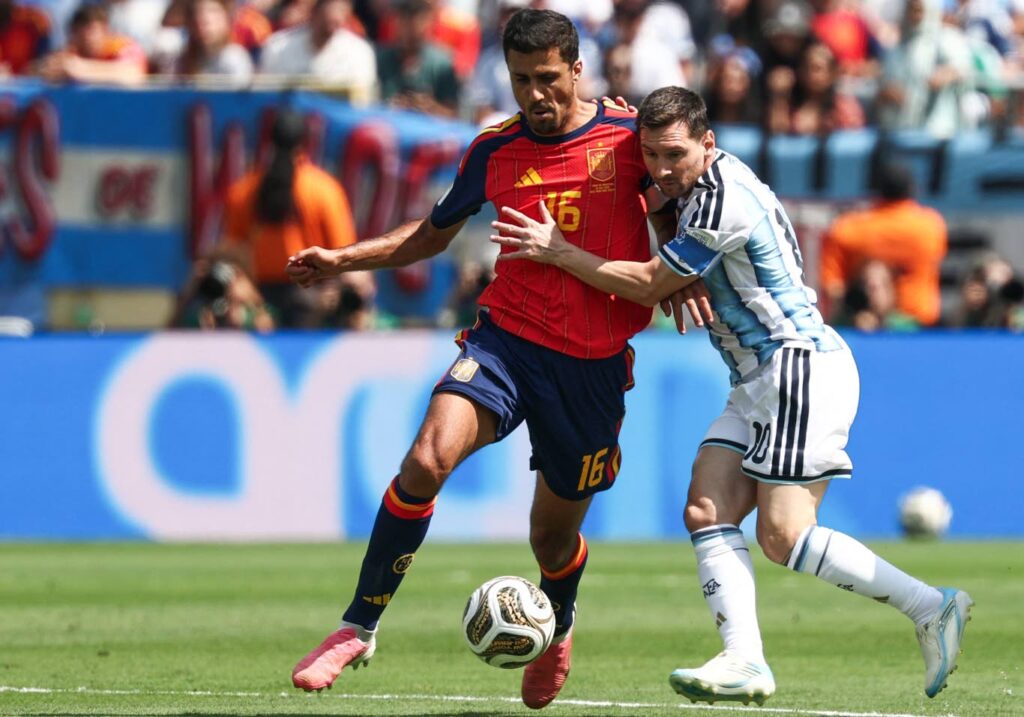
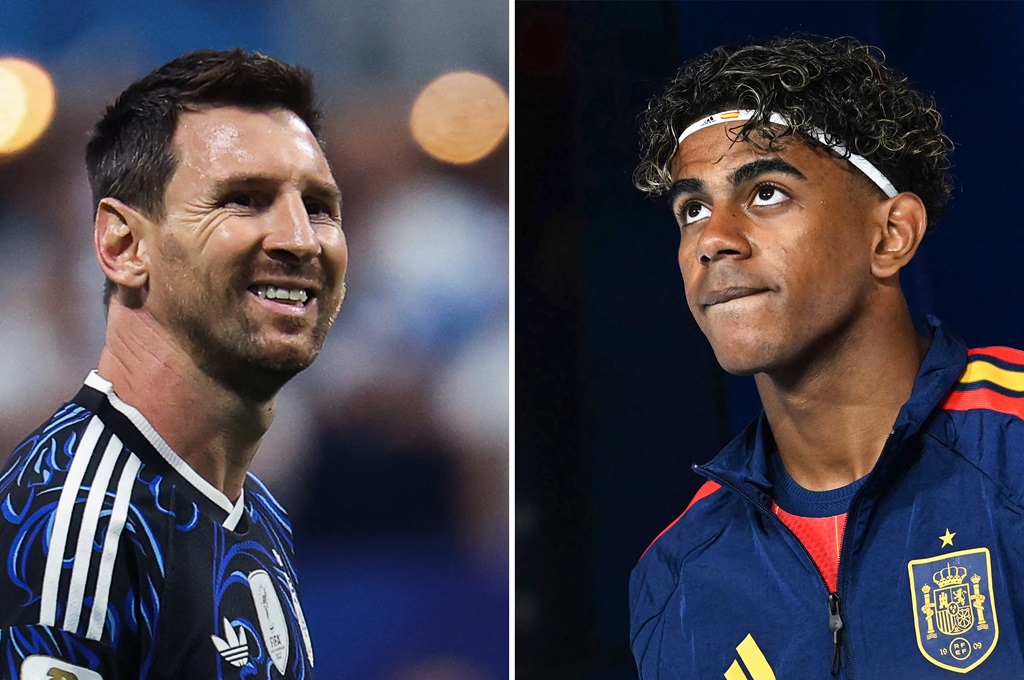
Forty-eight teams. Three host nations. Six weeks of football that, at various turns, felt like theatre, protest, farewell tours and coronation all rolled into one. When Spain and Argentina walk out at MetLife Stadium in East Rutherford, New Jersey this Sunday, they will be closing the book on a World Cup that will be remembered less for any single moment than for its sheer, sprawling scale and for how, against every fear that preceded it, the game once again found a way to unite more than it divided.
This was always going to be a World Cup of firsts. It is the first ever hosted across three countries and the first to expand the field to 48 teams. Critics argued that the bigger bracket would dilute the quality. Instead, it produced some of the most heart-warming stories in the competition’s history.
Nobody captured the romance of it quite like Cape Verde. A nation of barely half a million people, ranked 69th in the world, arrived with no expectations and left as the smallest country ever to reach the knockout stage of a World Cup. The Blue Sharks drew all three of their group games, including a stunning 0-0 stalemate with eventual finalists Spain on the opening night to advance ahead of two-time champions Uruguay. Their fairytale finally ended in the round of 32, where they pushed Lionel Messi’s Argentina to extra time before falling 3-2. Their forty-year-old goalkeeper Vozinha’s on-field heroics quickly translated into online popularity. According to reports, Vozinha had around 50,000 Instagram followers when the tournament began. Since then, his account has witnessed explosive growth, with an increase of more than 18 million followers during the tournament.
Sports
Need the bigger picture?
Share this article
Comments (0)
Download our mobile app
The portable companion to gazettE. Get notifications, track read articles, and more. The latest news from Trinidad and Tobago, in one place.