Armed Venezuelan Gangs Tighten Grip on Guyana’s Cuyuni River Frontier
Crime
Politics
October 31, 2026
Share this article

Click to view full size
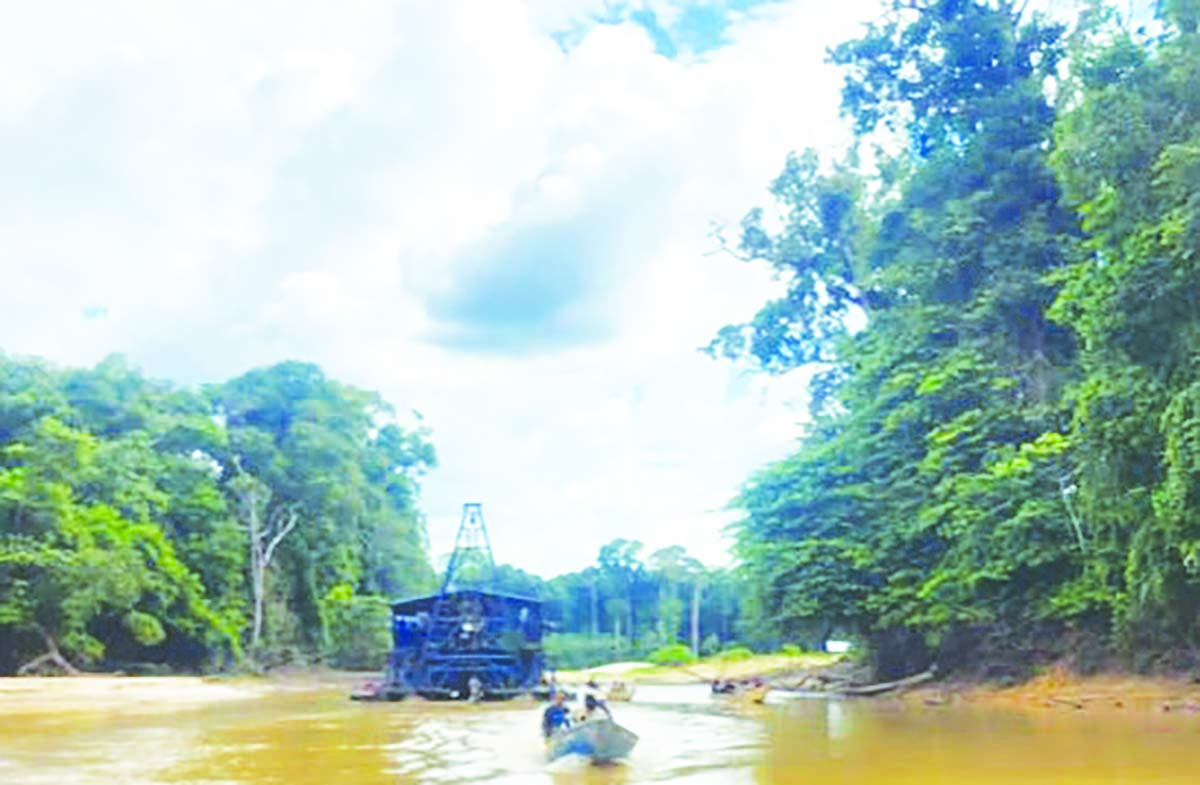
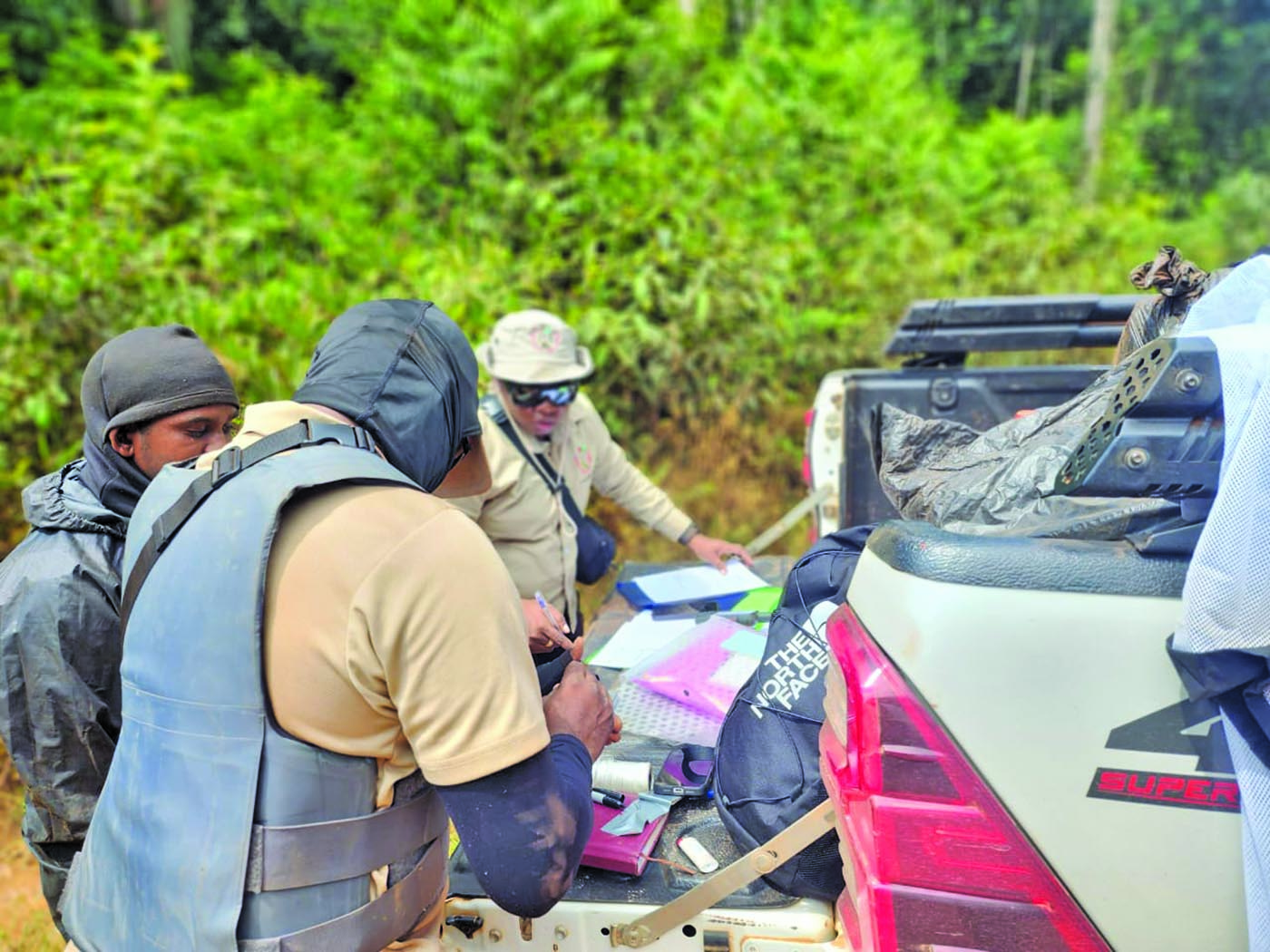
By Mark DaCosta- For the miners, boatmen and shopkeepers of Eteringbang, the Cuyuni has never been just a river. It carries the diesel, food and equipment that keep the camps upstream alive. Armed Venezuelan groups, known locally as “sindicatos”, are reportedly turning this lifeline into a toll road, shaking down traders, skimming gold and fuel, and exploiting a border that is barely policed. The danger has moved beyond commerce: our soldiers are reportedly being shot at on routine patrol. Guyana is adding troops and lodging protests, yet the persistence of the attacks suggests that our country needs a more durable strategy.
The Cuyuni rises in the Guiana / Guyana Highlands of Venezuela and turns eastward through the rainforests of Guyana’s Cuyuni-Mazaruni Region before joining the Mazaruni and the Essequibo near Bartica. Region Seven covers some 47,000 square kilometres but had only about 20,000 residents at the 2012 census. Eteringbang, a border settlement with an airstrip, hosts a Guyana Defence Force base and faces the Venezuelan community of San Martin across the water. Patrols run downstream towards Makapa along a stretch where the opposite bank is Venezuelan.
Sovereignty over this waterway is itself contested by Venezuela. An arbitral tribunal in Paris fixed the boundary in 1899, and Venezuela honoured it for about half a century before declaring it void in 1962. The International Court of Justice found in December 2020 that it has jurisdiction to hear Guyana’s application on the Award’s validity, and hearings were reported to be ongoing at The Hague in May 2026. Guyana maintains that the river is ours up to its junction with the Wenamu.
Crime
Politics
Need the bigger picture?
Share this article
Comments (0)
Download our mobile app
The portable companion to gazettE. Get notifications, track read articles, and more. The latest news from Trinidad and Tobago, in one place.