Business and Economic Commentary: GECOM has lost its way – time for reversal
Politics
Finance
November 1, 2026
Share this article
Click to view full size
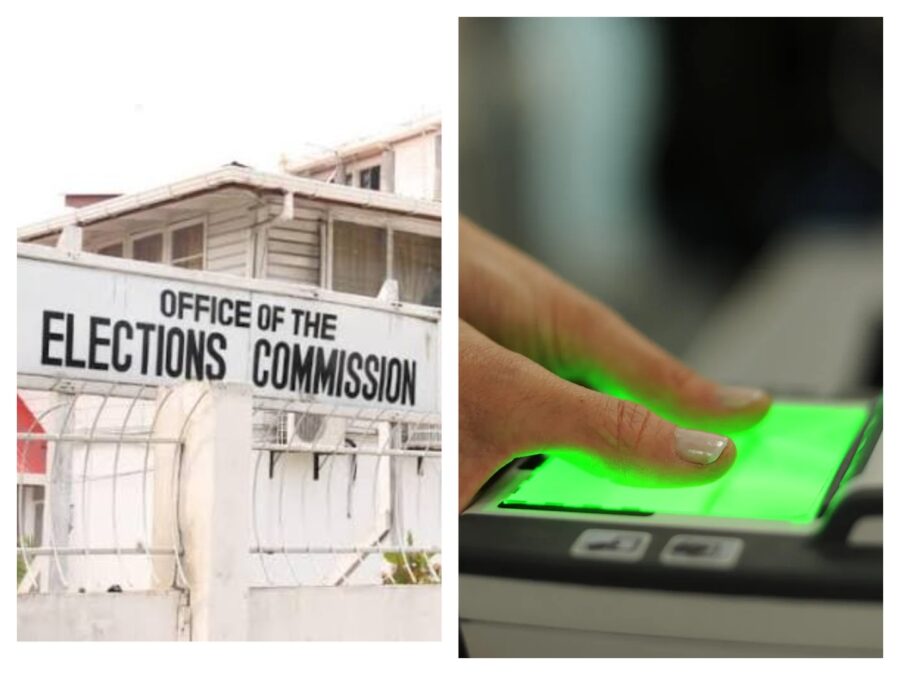
(Kaieteur News) – In January 2012, I questioned whether Guyana received value for money from its elections machinery. In 2015, I noted that the cost per vote had risen from G$520 in 1997 to G$24,746 in 2011. My concern extended beyond polling-day costs to sustaining an institution seldom subjected to financial scrutiny. Fourteen years later, the questions remain unanswered and the sums have multiplied.
The subject now requires two articles. This first examines how a temporary Elections Commission became permanent, its costs across five-year General Election and three-year Local Government Election cycles, and whether expenditure has been audited. The second addresses the commissioners: their remuneration, attendance, performance, the Commission’s paralysis and the case for replacing the present arrangement. Before examining its governors, we should establish what taxpayers pay for the institution.
Before 1992, Article 161 of the 1980 Constitution provided for a chairman appointed by the President and one commissioner representing each party holding at least five seats in the National Assembly. Appointments were tied to an election and ordinarily ended three months afterwards. The 1985 Commission had three members, but a separate National Registration Commission handled voter registration, identification cards and other administration. Comparisons with today’s GECOM must include both bodies’ costs.
Politics
Finance
Need the bigger picture?
Share this article
Comments (0)
Download our mobile app
The portable companion to gazettE. Get notifications, track read articles, and more. The latest news from Trinidad and Tobago, in one place.