Oil pushes past US$100 as wave of U.S.-Iran attacks exposes dwindling safety net
Business
Finance
September 10, 2026
Share this article
Click to view full size
SINGAPORE/LONDON, Sept 9 (Reuters) – Oil prices topped US$100 a barrel on Wednesday for the first time in six weeks as an escalation in fighting by U.S. and Iranian forces deepened concerns over supply from the region and raised fears of inflationary and higher energy costs for consumers and businesses.
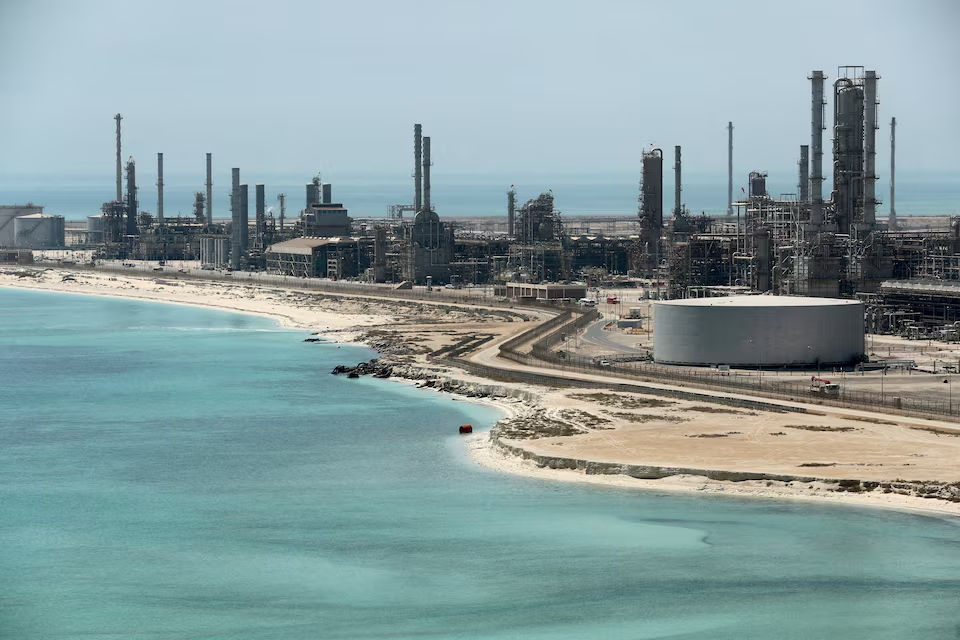
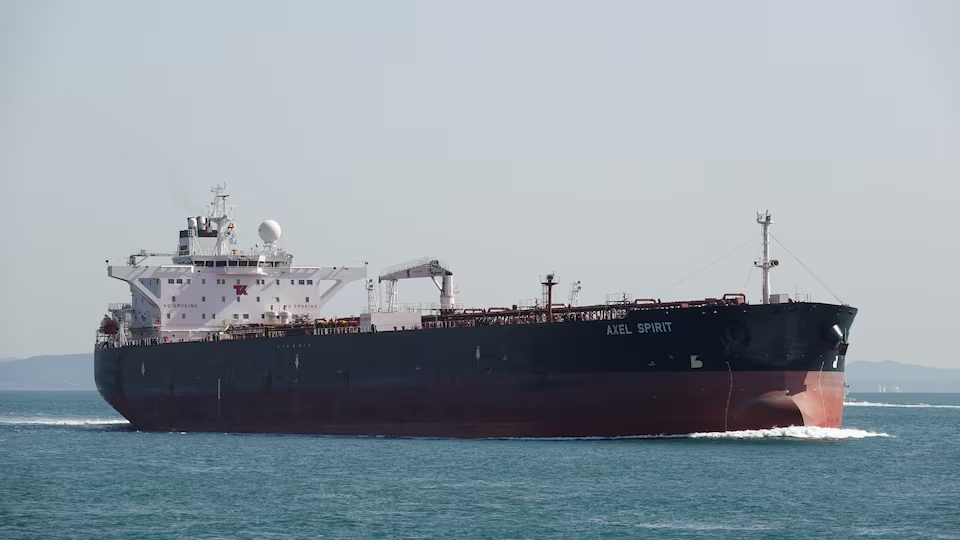
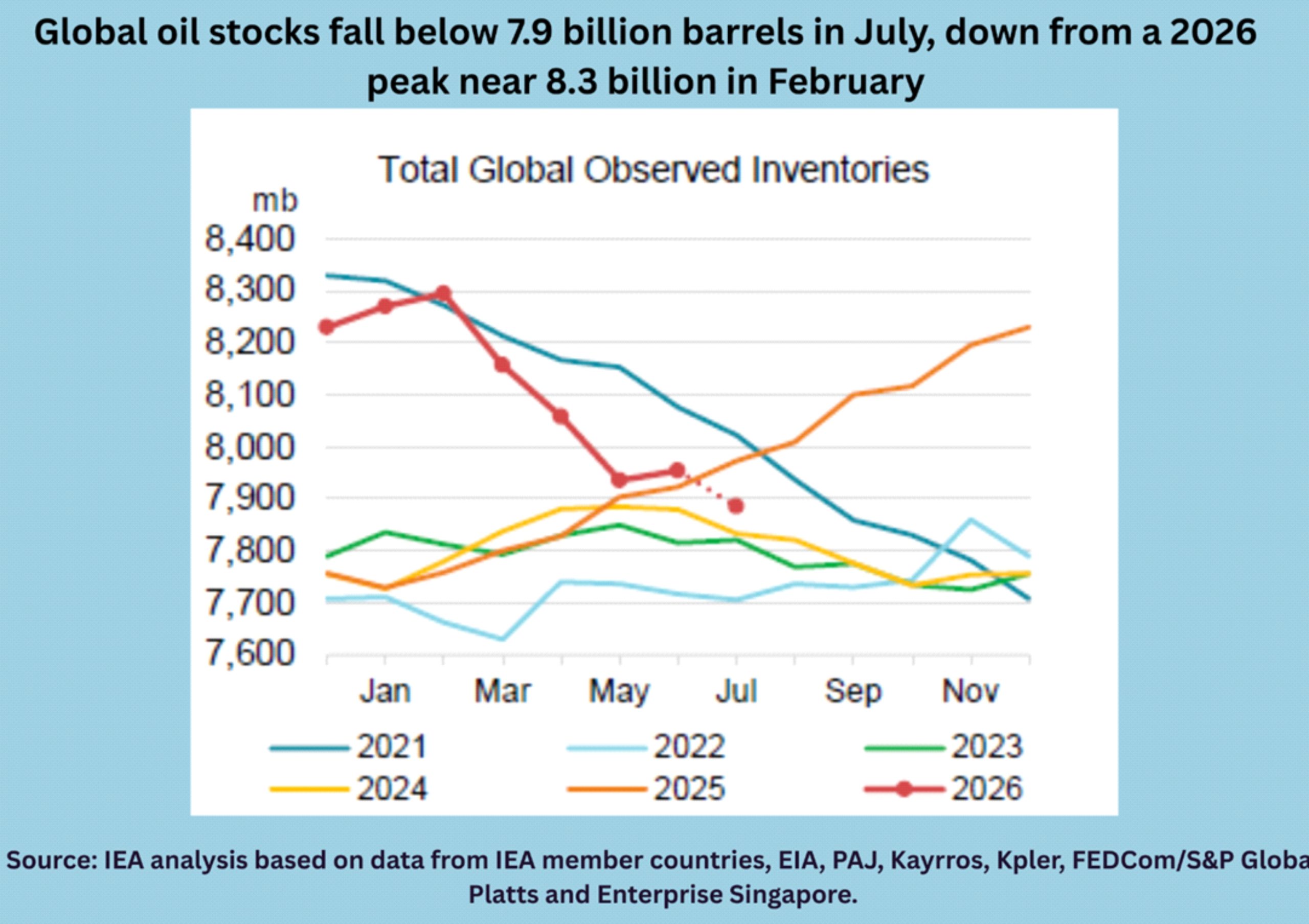
Brent, a global oil benchmark, has risen by a quarter since early last month as hopes fade for a permanent resolution to the six-month-old U.S.-Iran conflict. The rally accelerated this week after Iran-backed Houthi attacks on Saudi energy facilities set oil installations ablaze, increasing the risk that disruptions could spread across the wider Gulf region. Oil’s break above the US$100 level signals growing concerns that the global market has become increasingly vulnerable after months of supply losses due to disruptions to oil exports through the Strait of Hormuz and inventory drawdowns.
“Oil investors are expressing their view about the impact of the latest bout of escalation in the Middle East in an unambiguous way,” said Tamas Varga, of oil broker PVM. “They are voting with their dollar, and this vote strongly indicates that unless the Strait of Hormuz re-opens, and oil starts flowing again uninterruptedly, supply will not be aligned with demand in the foreseeable future.”
Business
Finance
Need the bigger picture?
Share this article
Comments (0)
Download our mobile app
The portable companion to gazettE. Get notifications, track read articles, and more. The latest news from Trinidad and Tobago, in one place.