SSP Diaries | Time to eradicate squatting
Politics
September 3, 2026
Share this article
Click to view full size
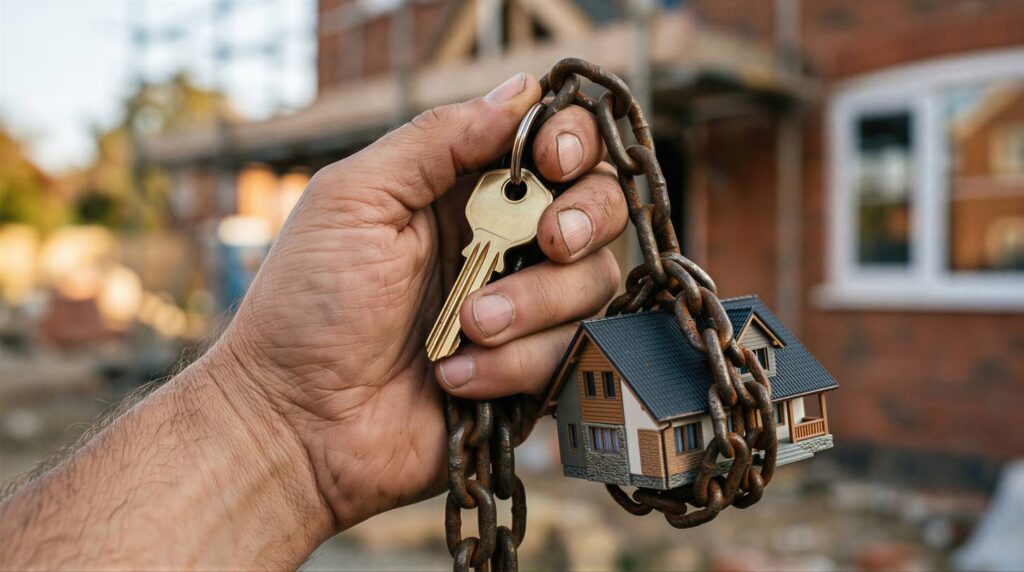
Squatting is a nightmare in most developing countries, with very few authorities willing to make the unpleasant decisions needed to address this social issue. Jamaica is no different. In my humble opinion, squatting in our country is a direct legacy of 500 years of colonisation, featuring the greatest sin committed by man against his own species, namely, slavery. And, moreover, the inappropriate manner in which enslaved people transitioned into so-called free people, devoid of land ownership or the financial means with which to build a decent life. Compensation for such atrocities is something we must continue to demand but, in the interim, we must commit to addressing the problem ourselves.
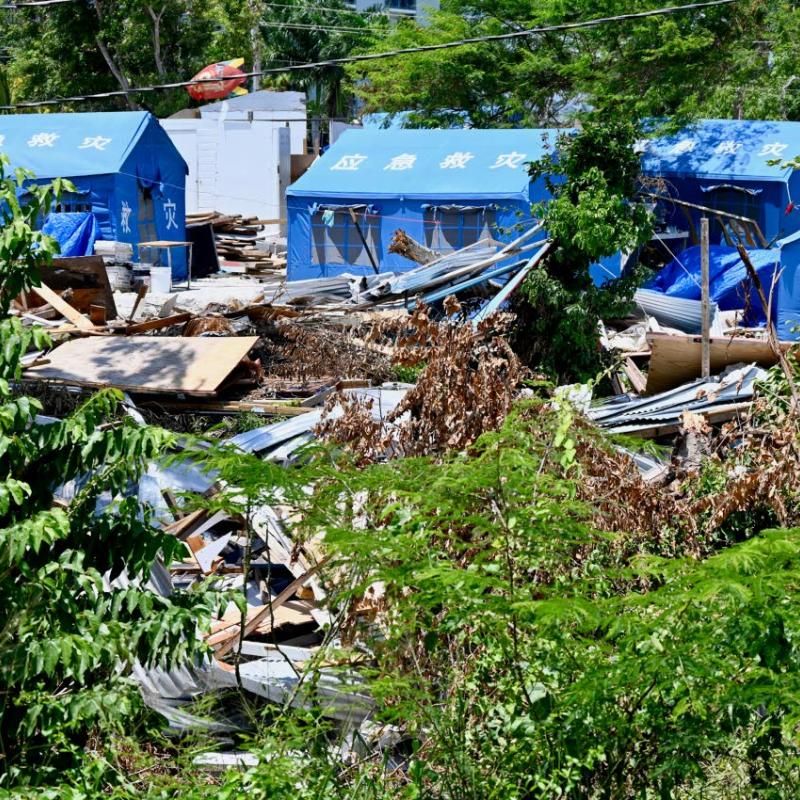
The present situation sees a vast number of citizens living as squatters, many by choice and others having no alternative. The tourism industry, for example, fuelled this phenomenon, as the high demand for workers in resort areas along the north coast attracted people from far and wide who had no means of obtaining accommodation if they secured a job. As a result, many were forced to construct their own dwellings on land that appeared accessible, whether owned by the government or private individuals. Squatter communities located roughly a mile south of the north coast’s main roads testify to this occurrence. Many now occupy what is regarded as prime real estate. The phenomenon has since evolved to include people who take advantage of squatting opportunities, once they have secured employment far from their usual home environment, or who see it as an opportunity to start a business of their own.
In all fairness to successive governments, attempts have been made over time to address this housing crisis. Today, many new foreign-funded tourism developments, such as hotels, are required to provide housing for staff during construction. Governments have also sought to regularise squatting in some areas by allowing occupants to be properly registered and purchase the land they have occupied. This situation can only worsen if it is not tackled seriously. Squatting in Jamaica is a threat to acceptable social norms. Many of these communities are ungovernable; by virtue of their ad hoc structure, they cannot be effectively policed. They lack proper waste-disposal systems, are not structured to facilitate access to normal social services, threaten contamination of local and possibly wider water tables serving various communities, are susceptible to disease outbreaks, and contribute to the continuation of political tribalism.
Politics
Need the bigger picture?
Share this article
Comments (0)
Download our mobile app
The portable companion to gazettE. Get notifications, track read articles, and more. The latest news from Trinidad and Tobago, in one place.