Kevon Campbell and Jan Willem Wegdam | When good intentions do harm: Why we must donate responsibly
May 13, 2026
Share this article

Click to view full size
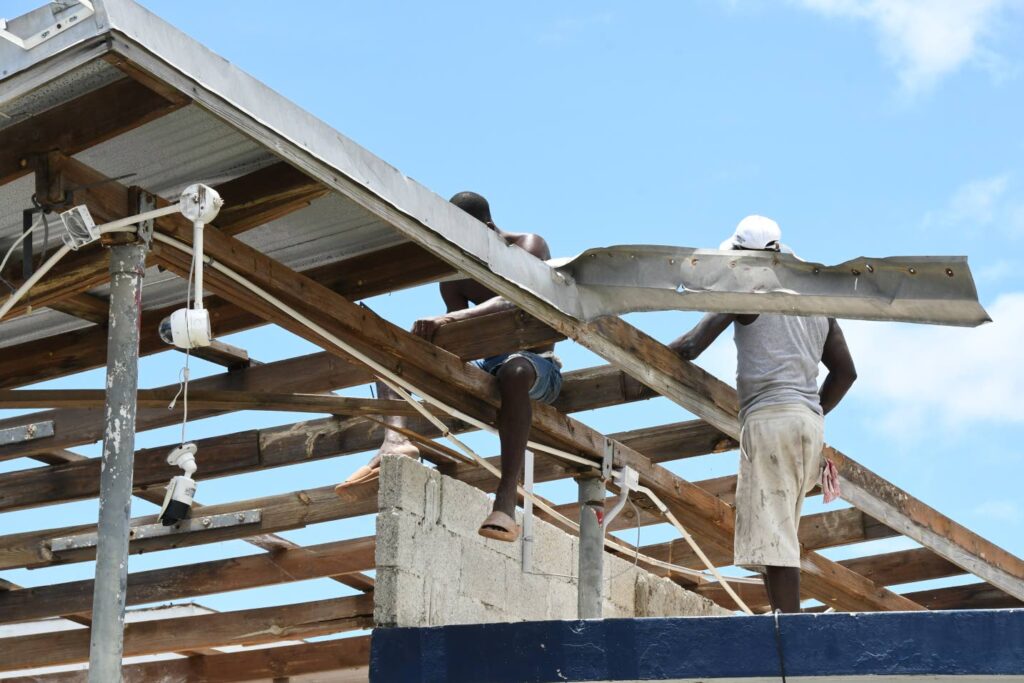
The Caribbean is no stranger to generosity. But without coordination, even the best intentions can become a secondary disaster, slowing down response efforts when every minute matters.
After major disasters, unsolicited and uncoordinated donations often overwhelm ports and warehouses: winter coats in tropical climates, expired food, mixed boxes nobody can sort, and tarpaulins too thin to withstand rain, all of which create waste and divert attention from urgent needs, instead of helping people in crisis.
Experience from the Caribbean Disaster Management Agency (CDEMA) and its participating states shows that, without clear donation management policies, large volumes of inappropriate or unusable goods consume valuable time, personnel, and funding, placing significant strain on national logistics systems and delaying the delivery of essential items like food, water, shelter materials, and medical supplies.
Need the bigger picture?
Share this article
Comments (0)
Download our mobile app
The portable companion to gazettE. Get notifications, track read articles, and more. The latest news from Trinidad and Tobago, in one place.