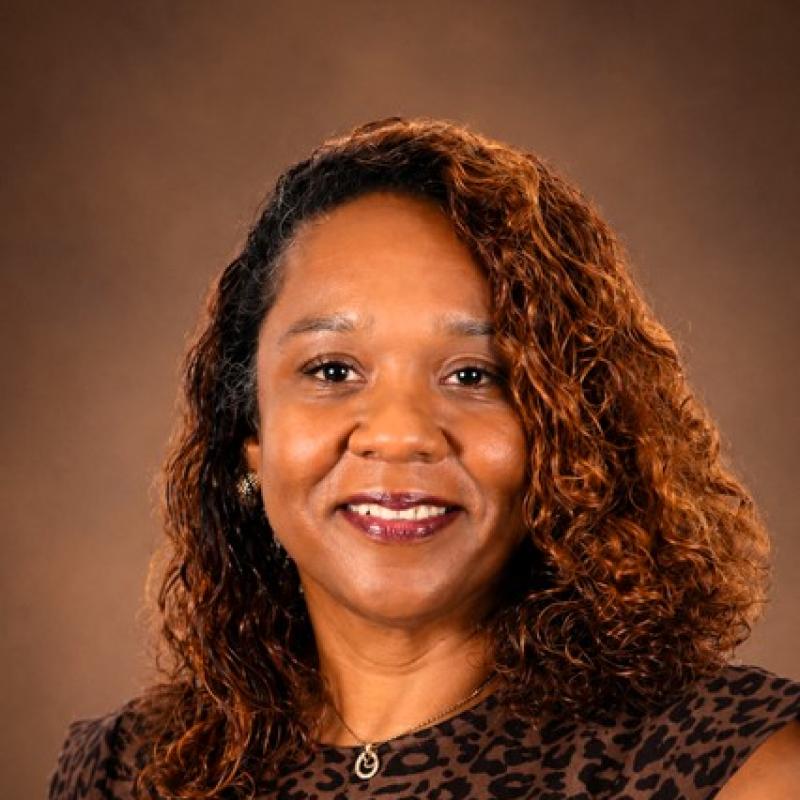
Ruthlyn James | The illiterate engineer
June 21, 2026
Share this article

Click to view full size
Many successful Jamaican men live among us with a hidden shame. Some build houses, repair engines, wire communities, and raise families out of poverty through talent, innovation, sacrifice, and strong entrepreneurial skills. Yet they quietly live with a lifelong fear that society might one day uncover their secret, something they have struggled with since childhood: the ability to read.
For some men, literacy has never signified a lack of intelligence, but they carry a silent wound. I learned this truth through my own father, who was dyslexic yet became a successful engineer and haulage contractor. He never allowed us to experience poverty despite being illiterate. What changed the course of his future was not the school system but the radical thinking of a Jamaican father who refused to accept that his son was a “dunce”.
At 13 years old, my grandfather took him out of traditional school and placed him at a garage in Riverton City to learn mechanical engineering under the mentorship of a retired police officer. That decision ultimately saved my father's life because long before Jamaica began discussing neurodiversity, learning disabilities, accommodations, or inclusion, a Jamaican father already understood something profound: intelligence and literacy are not the same thing.
Need the bigger picture?
Share this article
Comments (0)
Download our mobile app
The portable companion to gazettE. Get notifications, track read articles, and more. The latest news from Trinidad and Tobago, in one place.