Is Cuba destined for change?
Business
Finance
Politics
June 10, 2026
Share this article

Click to view full size
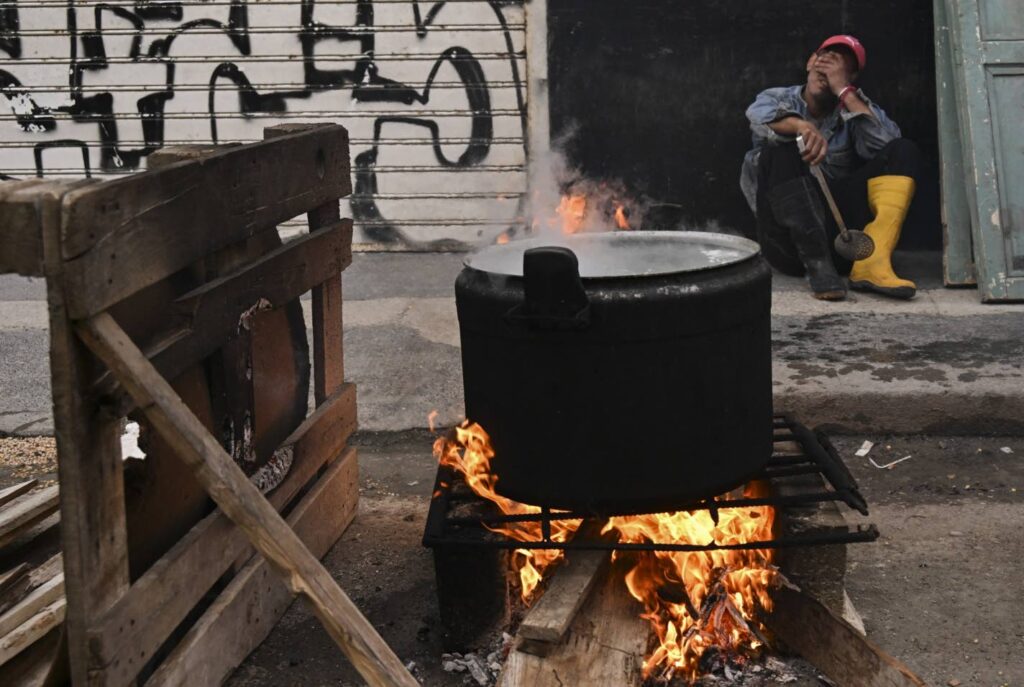
Cuba is facing a deepening economic crisis—the worst in decades. Tourism, once a key economic driver, has nearly collapsed, with visitors almost disappearing this year. The country continues to struggle with ageing infrastructure, US sanctions, bureaucratic inefficiencies, shortages, and chronic power outages.
Although modest reforms allow small, home-based private businesses, nearly 90 per cent of the population of 11 million lives in extreme poverty, with severe shortages of food, medicine, fuel, and basic supplies. Despite friendly relations with Jamaica and other regional neighbours, sanctions restrict much-needed aid. At a recent CARICOM meeting, Trinidad and Tobago’s prime minister criticised the Cuban system, noting that democratically elected governments in the region would not wish to replicate its model.
Cuba’s economic challenges are compounded by heavy debt, high public sector spending, a large trade deficit, and the absence of a dynamic private sector. The state, through its military apparatus, controls much of the economy, including hotels, banking, construction, transportation, and retail. Foreign hotel operators typically hold minority stakes, with most profits retained locally, and many have begun to withdraw amid the crisis.
Business
Finance
Politics
Need the bigger picture?
Share this article
Comments (0)
Download our mobile app
The portable companion to gazettE. Get notifications, track read articles, and more. The latest news from Trinidad and Tobago, in one place.