High import duties threaten Guyana’s gold & jewellery hub ambitions – MNR Technical Consultant
Business
Finance
Politics
August 24, 2026
Share this article
Click to view full size
– says high taxes make Guyana uncompetitive
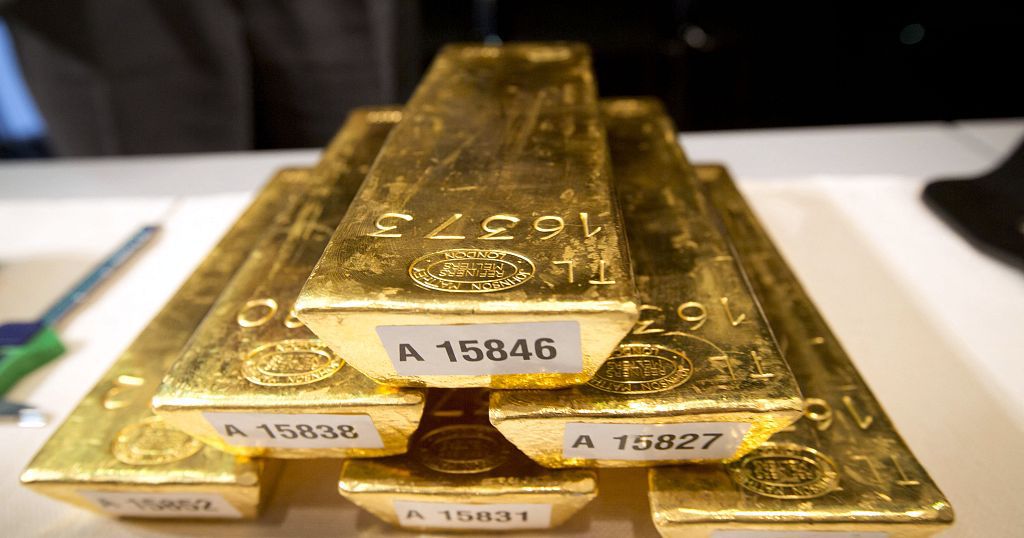
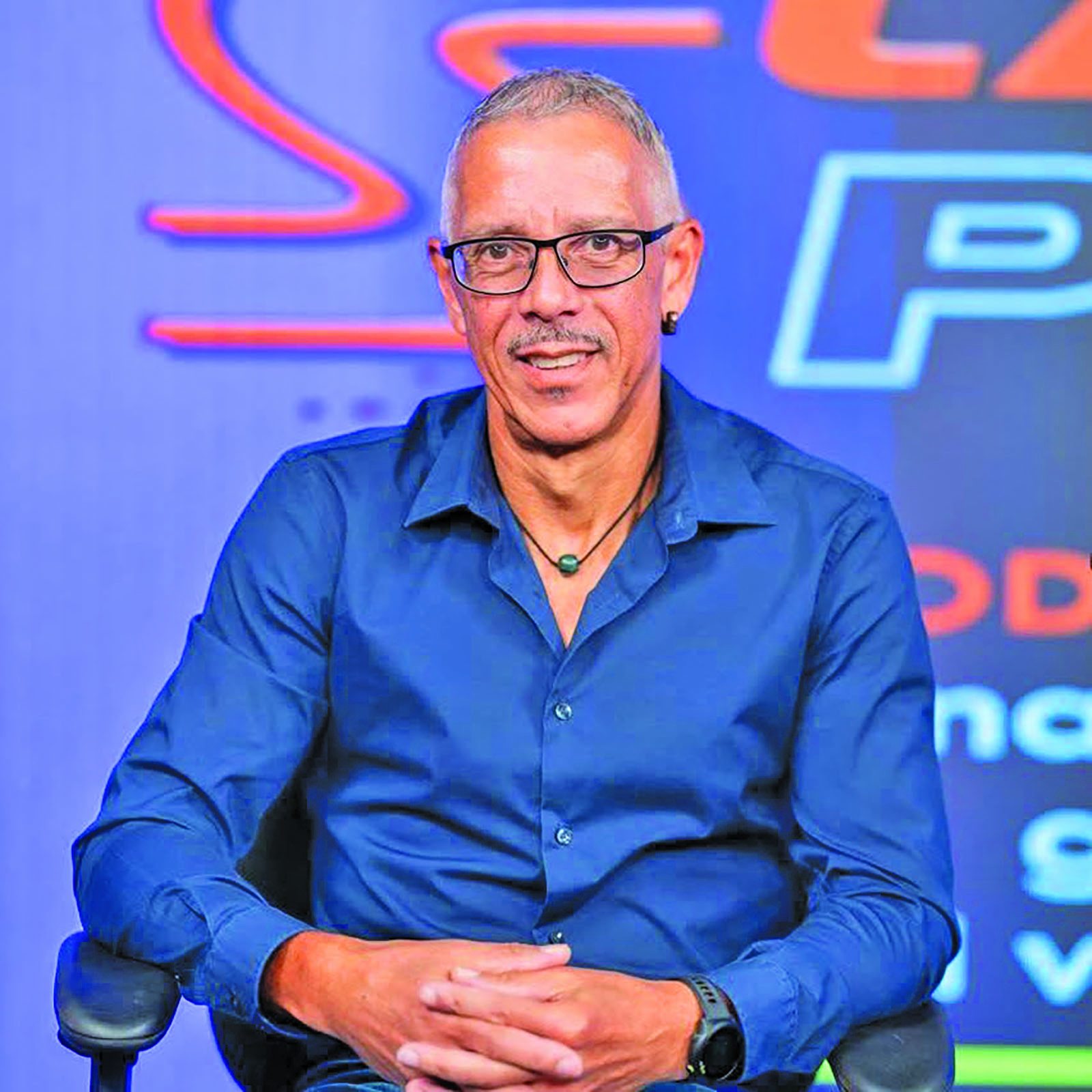
As Guyana seeks to become a globally recognised gold and jewellery hub through the El Dorado Reimagined brand, the country first has to address its high importation taxes and duties on equipment and other materials needed for the design and production of jewellery. This was the view expressed by Technical Consultant at the Natural Resources Ministry, Dominic Gaskin, during the recent episode of the Starting Point podcast. Back in May of this year, President Dr Irfaan Ali launched the ‘El Dorado Reimagined’ brand with the aim of positioning Guyana as an international powerhouse for high-quality gold products and jewellery manufacturing by 2030. But according to Gaskin – a jeweller himself and one of the key officials leading the El Dorado Reimagined campaign – there are a number of issues that the country must first fix in order to truly be recognised as a global hub. Among those hurdles he pointed to is the fiscal framework, which he says has largely resulted in the lack of development in the local jewellery industry over the years. “I’m talking about a framework that has been in place since I think maybe the 1970s that we haven’t really revisited, and we need to at this point if we want to succeed in realising the vision of Guyana becoming a gold and jewellery hub… I’m talking mainly about import taxes and duties on various jewellery-related items. Currently, those rates are extremely high by any standards, and it makes us uncompetitive as jewellers,” he asserted.
According to Gaskin, most, if not all, jewellery-producing countries in the world require some sort of raw material to be imported, whether equipment or even the minerals themselves, to make the jewellery. In Guyana’s case, it is no different, but he noted that the importation duties here are driving up costs, thus making local manufacturers uncompetitive. “There’s always something you need to import, and if we have to import items at 60 per cent duties and 50 per cent duties, we cannot compete with established jewellery centres around the world that are either doing those free of any duties or [at] 5 per cent and 10 per cent duties. So, that’s almost a non-starter for becoming a gold and jewellery hub,” he emphasised. Gaskin further believes that by addressing the high duties, the Government would also tackle the issue of smuggling. “Those high levels of taxation encourage smuggling of items into the country because, to the best of my knowledge, I don’t think that the authorities are collecting revenues from the importation of these very highly taxed items.” “What we’re suggesting is [to] change the bad policies that led to the smuggling in the first place because, obviously, the market cannot afford jewellery with those high rates of tariffs, and we can’t continue with that if we want to be competitive. So, that needs to be revisited,” the MNR technical consultant posited. Other areas that he also identified as hurdles to the development of the local jewellery sector include security, financial and logistic services. He explained that given the high value of gold and other precious metals used to make jewellery, Guyana needs to become a safe and secure place to buy and sell jewellery if it wants to enter the global market.
Business
Finance
Politics
Need the bigger picture?
Share this article
Comments (0)
Download our mobile app
The portable companion to gazettE. Get notifications, track read articles, and more. The latest news from Trinidad and Tobago, in one place.