Kristen Gyles | The dark side of sports betting
Sports
Business
Health
July 17, 2026
Share this article

Click to view full size
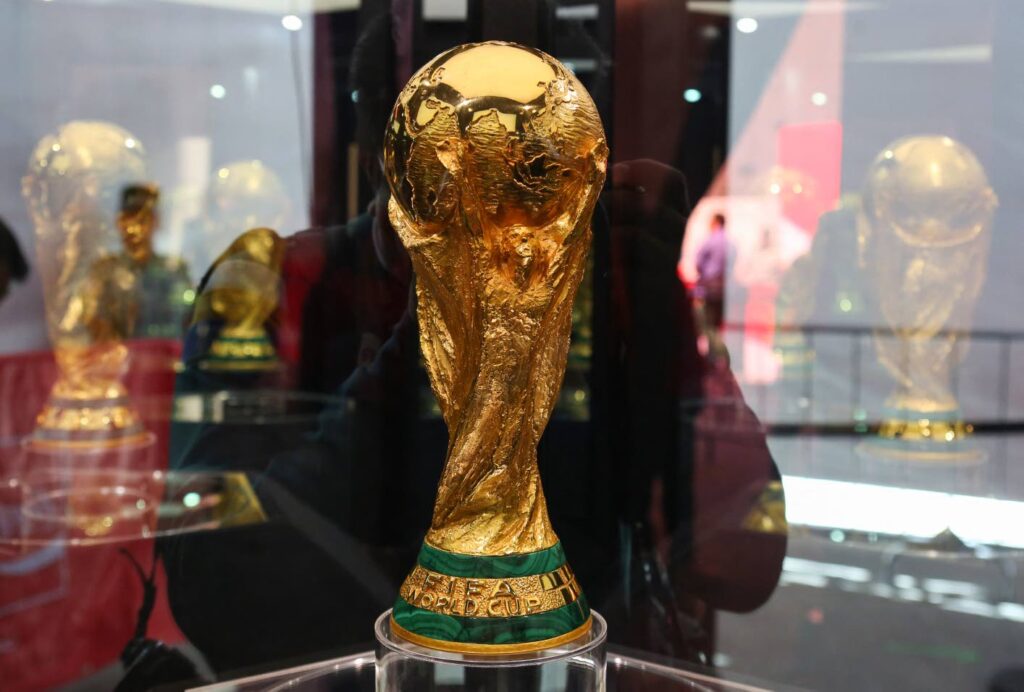
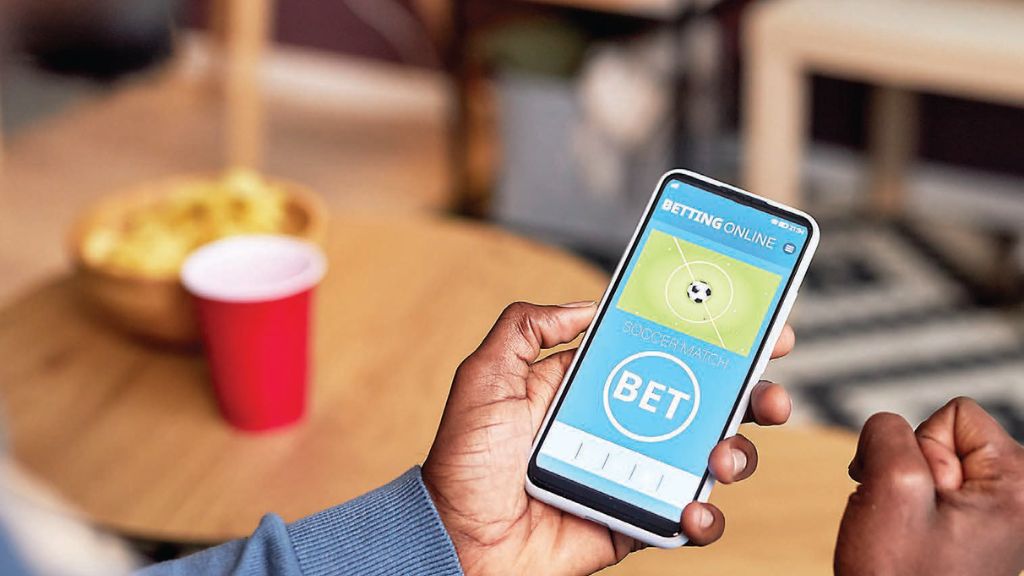
Every four years, the FIFA World Cup does something extraordinary. It bridges social, political and even racial divides and unites billions of people in a shared emotional experience. For a few magical weeks, football reminds us that, although we are different in many ways, we are all very similar. Yet, alongside every goal celebration, every dramatic penalty shootout and every surprise victory, is another industry celebrating just as loudly. That industry is the sports betting industry.The explosion of sports gambling has transformed the World Cup into a casino of sorts. Thankfully, gambling addiction seems not to be as severe an issue in Jamaica as it is in some other countries. However, because gambling addiction gets little attention in Jamaica, even on a social level, many addicts struggle alone and with little help. Since the start of the 2026 World Cup, sports betting advertisements have increased in popularity. People like you and me are encouraged not merely to bet on who will win, but on things like the number of yellow cards to be issued during a given match, the number of throw-ins, or whether a penalty will be awarded. With the technological improvements to the online sports betting space, an individual can even place a bet in real time during a match on the next goalscorer or even on the player who will take the next free kick.Not everyone who gambles will become addicted, but everyone who gambles can become addicted. This is key to understand. Of course, there are certain personality traits that can make some more susceptible to addiction than others, but every gambling addict who ends up losing their life savings or who ends up ‘borrowing’ (whether with permission or not) to fuel their addiction, will admit they never knew their first bet would have taken them down the path of self-destruction. EXPLOIT DEFICIENCIESSports betting apps actively exploit deficiencies in a person’s overall sense of self-control and help to reinforce a very false sense of mastery. Ever listened to a gambler swear they know for sure that they will win their next bet? In that moment, a gambler is so convincing, they could sell ice to an Eskimo. Between the rare big wins and the constant promise that the next wager could erase previous losses, many do get hooked. Once an addiction develops, there is no telling how deep the individual will sink financially. Families have been pushed into debt by compulsive gambling. Marriages have broken under financial strain. Young people have accumulated loans they cannot repay after chasing impossible wins. Furthermore, some researchers have described gambling disorder as being associated with one of the highest risks of suicide among all addictive disorders. It is estimated that around one in five people with gambling disorder attempt suicide. This exceeds the suicide attempt rate for many substance addictions. Despite the risky nature of gambling, there are somehow very few effective safeguards in place to shield young, impressionable minds from the influence of gambling as entertainment. Many grow up seeing gambling brands displayed alongside football stars, creating the impression that betting is simply another part of supporting a team. This is why the position taken by star footballer Kylian Mbappé is so respectable. Unlike many elite athletes who willingly lend their image to betting companies, Mbappé has consistently refused to be associated with gambling promotions. Generally, he has expressed an unwillingness to endorse products that, in his view, could harm young people, including sports betting.Mbappé has never failed to acknowledge the fact that elite athletes are role models, especially for kids, who paste life-size pictures of their favourite footballers on their bedroom walls, and spend their time on the playfield trying hard to learn the tricks they see on TV. Sports icons influence purchasing habits, fashion trends, day-to-day habits, and even personal values. If a sporting icon encourages gambling, intentionally or otherwise, many young supporters interpret that endorsement as approval and will act accordingly.NO SMALL DECISIONTurning down lucrative commercial opportunities is no small decision in modern football, where endorsement deals can be worth millions, but not every cheque deserves to be encashed. The example that Mbappé has set raises an uncomfortable question for football itself. If individual players can decline gambling partnerships on ethical grounds, why can’t football’s governing bodies do more to protect young viewers from the influence of betting? And, if they recognise the risks associated with gambling, why have they not taken stronger steps to reduce the sport’s reliance on betting revenue?The relationship between football and gambling has become closely intertwined. Across many football leagues, gambling operators sponsor teams by paying to have their logos displayed on shirts, advertising boards, stadium screens, and club websites. These sponsorship deals often generate millions of dollars in revenue, giving clubs a reliable source of income that can be used to fund player wages, transfers and other operational costs. So, there is a real and very tangible financial incentive to keep sports betting alive. The nature of this incentive raises serious ethical concerns. Yes. Betting revenue may help to sustain the sport financially, but the constant visibility of gambling brands has helped to normalise betting, even among young fans who regularly watch matches. None of this means betting should necessarily be outlawed. Adults are entitled to make their own choices, but personal freedom should not be used to justify pervasive advertising, and risky behaviours like betting should not be normalised among impressionable audiences. Governments, sporting organisations and even sports media entities should take responsibility for limiting this influence. Restricting gambling advertisements during sporting events viewed by children is one measure that warrants real consideration.Kristen Gyles is a free-thinking public affairs opinionator. Send feedback to kristengyles@gmail.com and columns@gleanerjm.com
Sports
Business
Health
Need the bigger picture?
Share this article
Comments (0)
Download our mobile app
The portable companion to gazettE. Get notifications, track read articles, and more. The latest news from Trinidad and Tobago, in one place.