Attorneys raise concerns over compulsory judge-alone trials
Legal
Crime
September 18, 2026
Share this article
Click to view full size
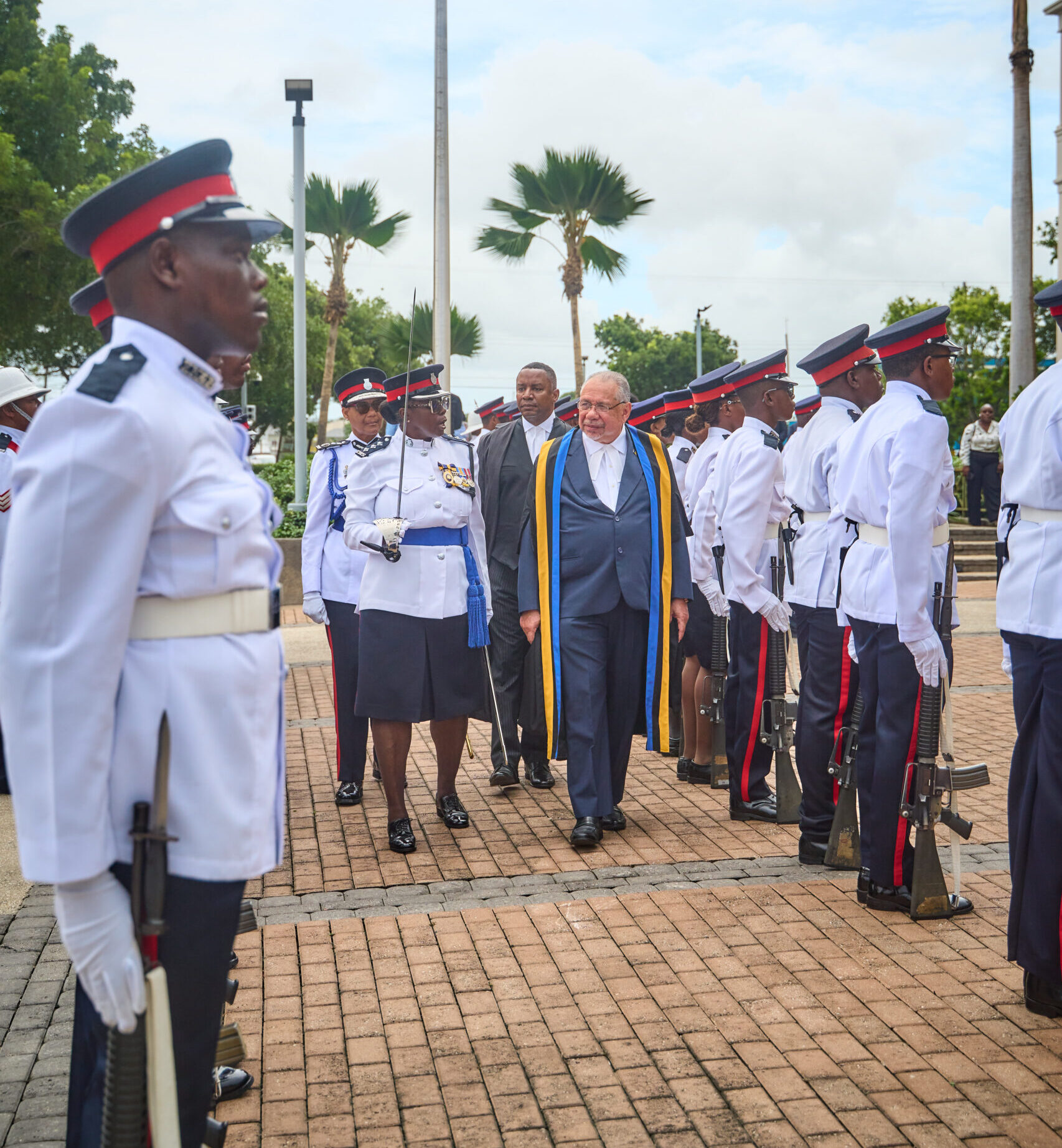
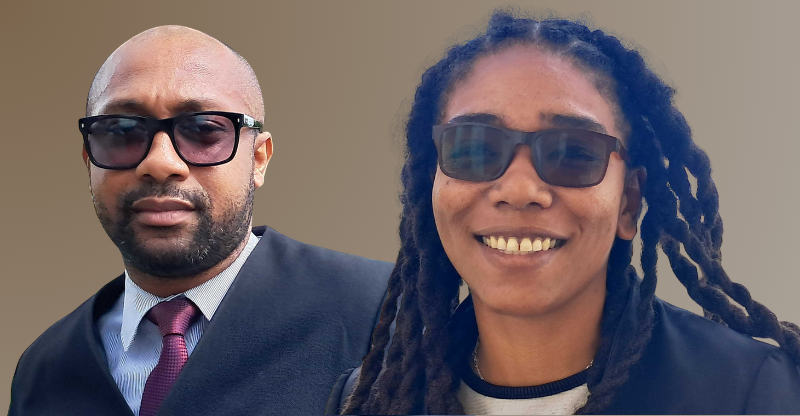
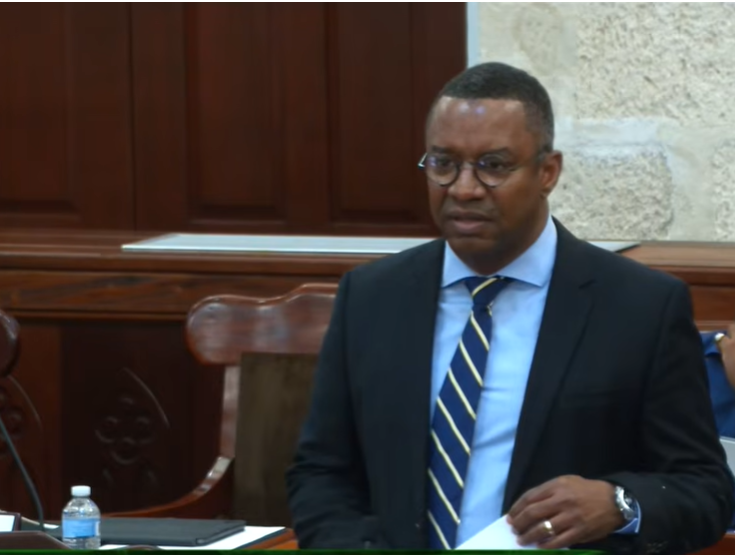
Two defence attorneys have warned that making judge-alone trials compulsory in some cases could weaken safeguards for accused people and further tilt criminal justice reforms in favour of the prosecution. Their concerns follow comments by Chief Justice Leslie Haynes at the opening of the law year on Monday, suggesting that Barbados should consider removing the requirement for an accused person’s consent to have their case heard by a judge alone rather than a jury, particularly in certain cases.
In his speech in the No. 1 Supreme Court, he said: “I hold the view that the necessity of agreement by an accused to judge-alone trials negates substantially the purpose behind the legislation. As in other countries, we should consider removing the need for agreement, especially in charges of unlawful possession, whether it be firearms or drugs. The focus has to be on the efficient administration of justice, whilst ensuring that fairness and equity are at the forefront. A judge-alone trial can achieve this.
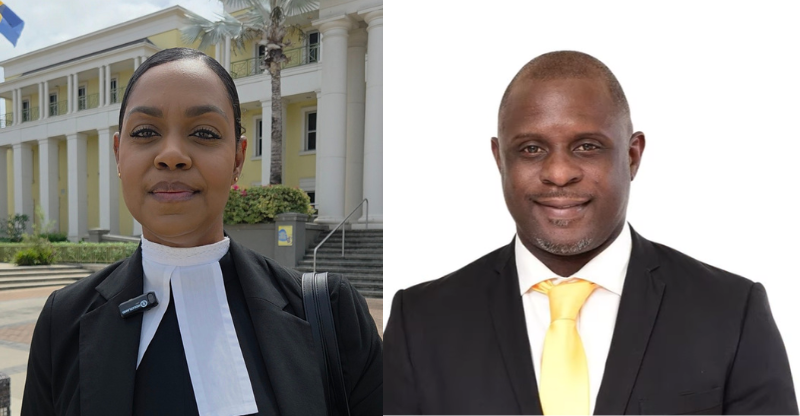
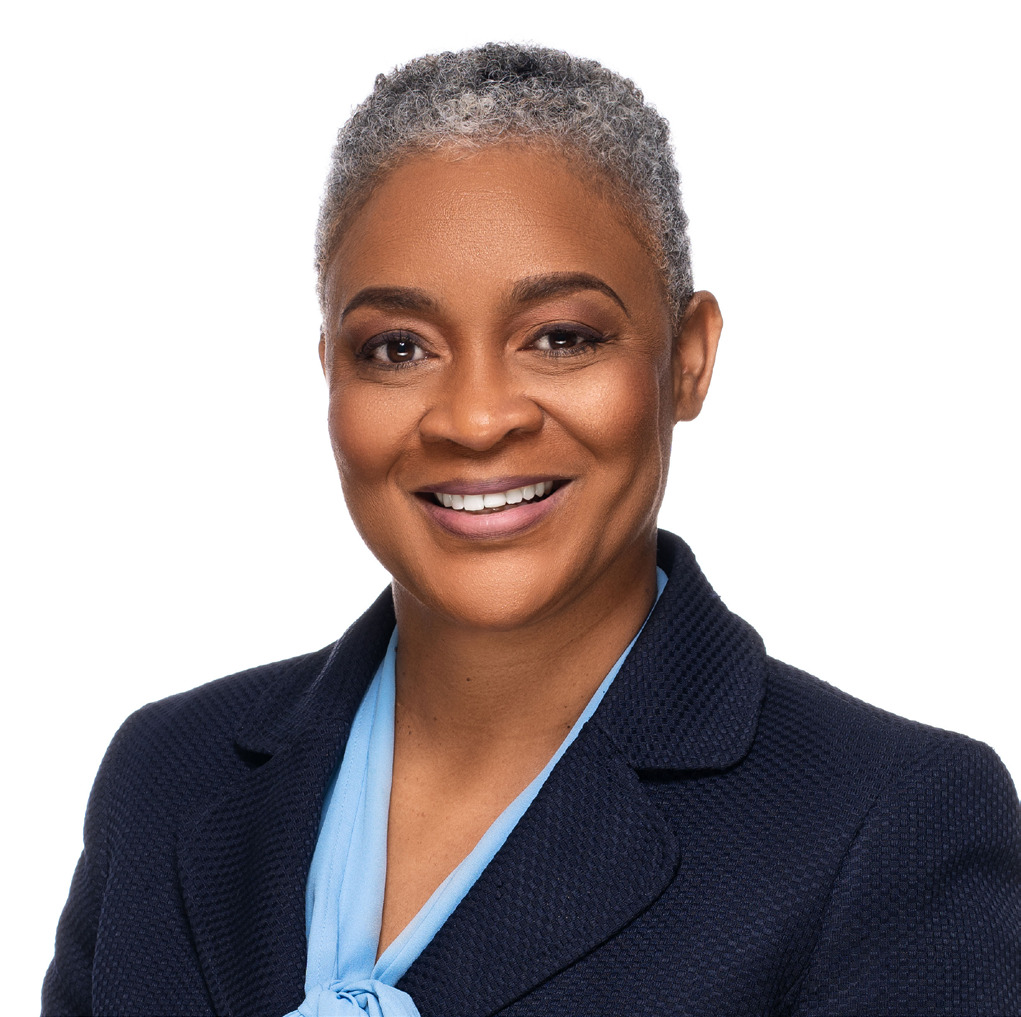
But attorney Verla De Peiza said such a move would place Barbados in “lonely territory”, noting that her examination of several jurisdictions found few examples of compulsory judgealone trials. She pointed out that jury trials in South Africa had been abolished in an effort to address racial bias, while compulsory judge-alone trials in New Zealand applied only to less serious offences.
Legal
Crime
Need the bigger picture?
Share this article
Comments (0)
Download our mobile app
The portable companion to gazettE. Get notifications, track read articles, and more. The latest news from Trinidad and Tobago, in one place.