Agricultural revolution still required
Business
Finance
August 17, 2026
Share this article
Click to view full size
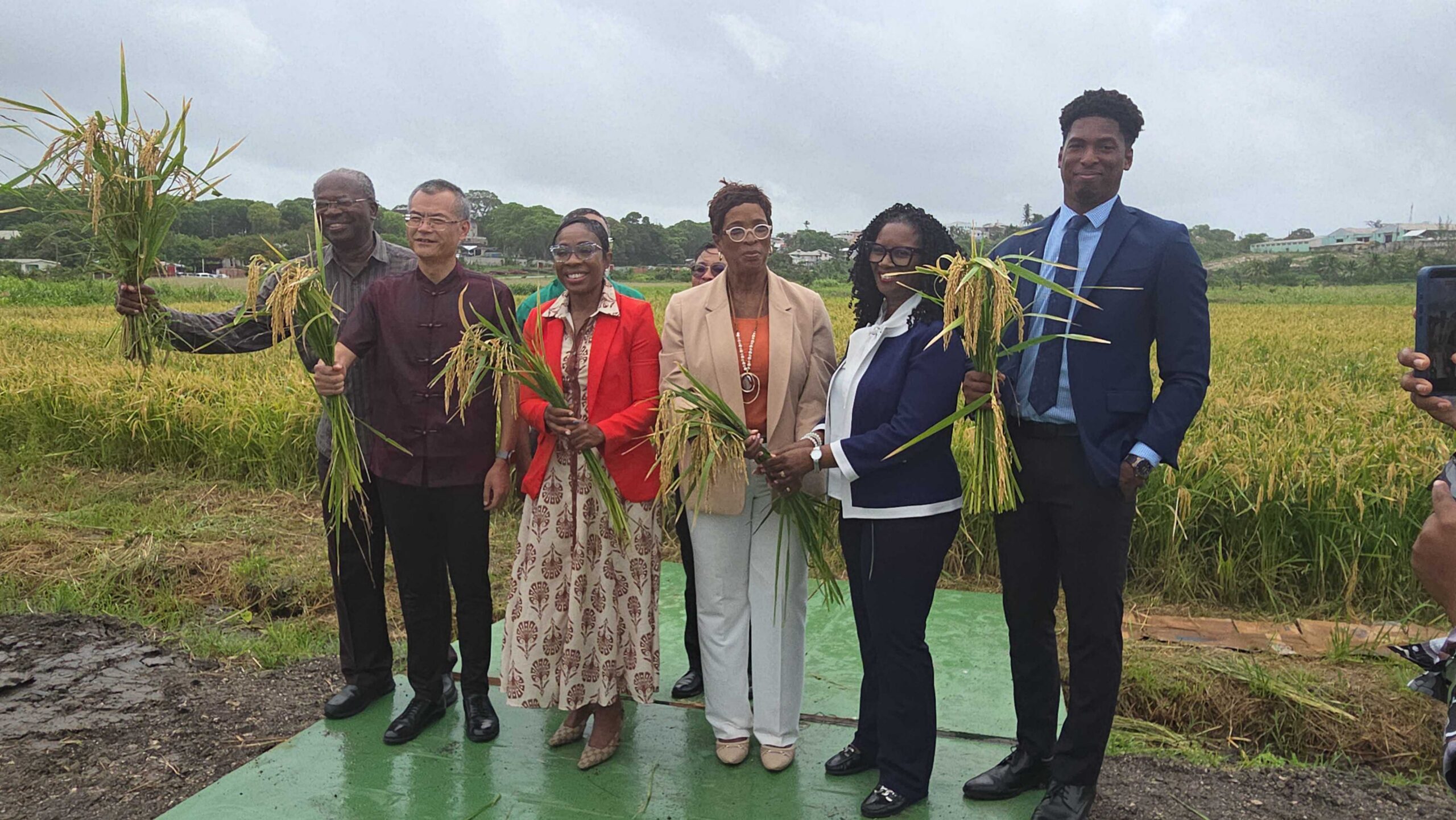
“Now this I say: He who sows sparingly will also reap sparingly, and he who sows bountifully will also reap bountifully.” — 2 Corinthians 9:6 Last week’s column recalled that, in 1968, I returned to the Caribbean to establish a Biometrics Unit to accelerate agricultural development. In 2026, I am arguing for a Shepherding Unit to accelerate export-led agricultural development. Science remains essential, but without shepherding, we have been spinning top in mud.
I concluded that we should move Upwards and Onwards — but this time, let us plan, organise, staff, execute, monitor and control. On reflection, I said much of this seven years ago in my August 19, 2019 column, “Agricultural Revolution.” I repeat it here because new leadership is now involved in agriculture and may have missed the message. Much water has flowed under the bridge since the abolition of slavery in the 19th Century. Some of the Caribbean’s fertile lands remain available for cultivation, although land-use policy has shifted significantly away from agriculture. Nothing short of an agricultural revolution is required to make these lands productive again, rather than allowing them to lie fallow and become threats to public health. Since the Moyne Report was published in 1945, there has been much discussion but little sustained action.
The essential ingredients of an agricultural revolution are clearly defined markets; a marketdriven selection of fresh and processed agricultural products; innovation; shepherding and management; private sector investment; and smart partnerships. Political will is also essential. The government’s responsibility is to establish sound policy and provide a user-friendly enabling environment in which private sector businesses can thrive. The Caribbean has no federal government.
Business
Finance
Need the bigger picture?
Share this article
Comments (0)
Download our mobile app
The portable companion to gazettE. Get notifications, track read articles, and more. The latest news from Trinidad and Tobago, in one place.