MEXICO - How a 3,400-year-old ballgame survives against all odds
Sports
May 11, 2026
Share this article

Click to view full size
LOS LLANITOS (AP) — On a dirt field on Mexico's Pacific coast, five cousins between the ages of 8 and 13 strip down and kick off their shoes. Nearby, adults help them fasten the pre-Hispanic-style fajado, securing loincloths and leather belts that wrap around their hips.
The Osuna children grab the rubber ball, all 3.2 kilograms of it — around seven pounds or seven times heavier than a soccer ball — and begin playing. Only the hips may touch it, forcing players to leap through the air or dive low when it skims the ground.
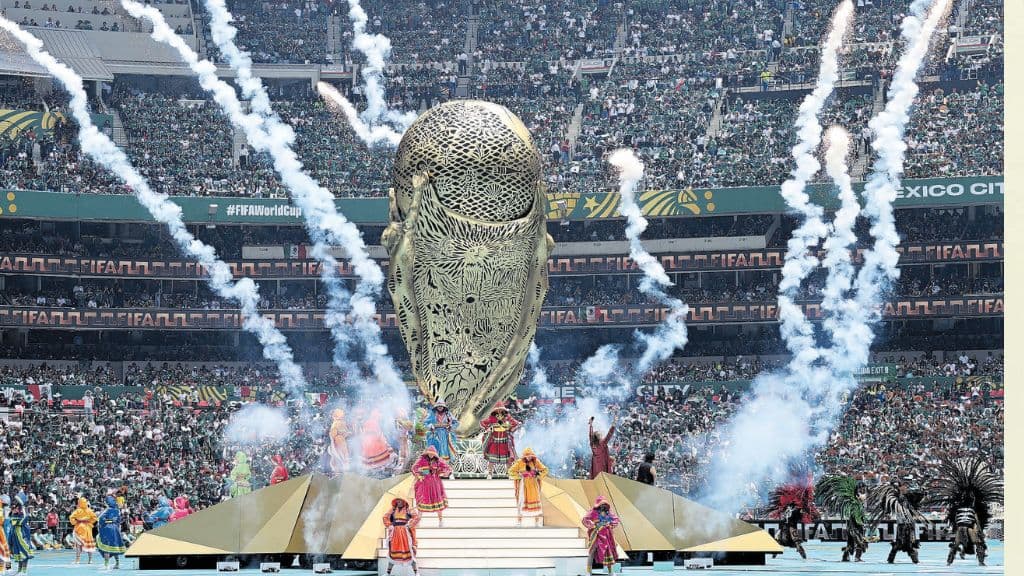
As Mexico prepares to co-host the 2026 FIFA World Cup, the nation is looking back 3,400 years to one of the oldest team sports: the ancient ballgame known as ulama, a ritual practice nearly erased during the Spanish conquest that survived only in the remote pockets of northwestern Mexico before its late 20th-century rebirth. Today, authorities and its modern players are leveraging the momentum of international soccer to shine a spotlight on the ancient sport once again.
Sports
Need the bigger picture?
Share this article
Comments (0)
Download our mobile app
The portable companion to gazettE. Get notifications, track read articles, and more. The latest news from Trinidad and Tobago, in one place.